Pest Library & Gallery
Real photos from real jobs across North Texas. Identify what you're dealing with and learn how we treat it.

Termite Swarm
Active termite swarm discovered on painted wood — a sign of a mature colony nearby. Termites cause billions in property damage annually.

Termite Activity
Close-up of termite activity found during a routine inspection. Early detection is key to preventing structural damage.

Termite Damage
Termite damage found in a North Texas home. Our termite bond provides ongoing protection and peace of mind.

Termite Infestation
Termite infestation discovered during a home inspection. We offer both preventative and active infestation treatments.

Termite Colony
Termite colony exposed during treatment. Our liquid barrier and bait station systems eliminate colonies at the source.

Termite Inspection Find
Termites found during a thorough inspection. Annual monitoring is included with our termite protection program.

Termite Damage — Structural
Structural termite damage found in a North Texas property. We offer a termite bond for long-term protection.

Termite Activity — Wood
Termite activity in wood framing. Our treatments target the colony and protect the structure from further damage.

Black Widow Spider
Black Widow found in a North Texas garage. The red hourglass marking is a clear identifier. Black Widows pose a real health risk and should be treated professionally.

Black Widow — Web
Black Widow in its web. These spiders prefer dark, undisturbed areas like garages, sheds, and wood piles.

Spider — Harborage Area
Spider found in a common harborage area. We treat webs, entry points, and harborage zones to reduce spider populations.

Bed Bug Infestation
Bed bugs found during an inspection. We are one of the only North Texas companies offering professional heat treatment — the most effective, chemical-free elimination method.

Powderpost Beetle Damage
Powderpost beetle exit holes in hardwood. These wood-boring beetles can cause significant structural and cosmetic damage if left untreated.

Grain Weevil Infestation — Pantry
Grain weevil infestation discovered in a kitchen pantry. These pests contaminate stored grains, flour, and cereals. We identify the source and eliminate the infestation.

Grain Weevils — Close Up
Close-up of grain weevils in stored food. Proper storage practices and professional treatment prevent re-infestation.

Squirrel — Live Trap
Squirrel captured in a live trap during an attic exclusion job. We provide humane wildlife removal and seal entry points to prevent re-entry.

Exclusion Work
Exclusion work in progress. We identify and seal every entry point to keep wildlife and pests out for good.

Cicada
Cicadas are a common North Texas pest, especially during emergence seasons. While mostly harmless, large numbers can be disruptive.
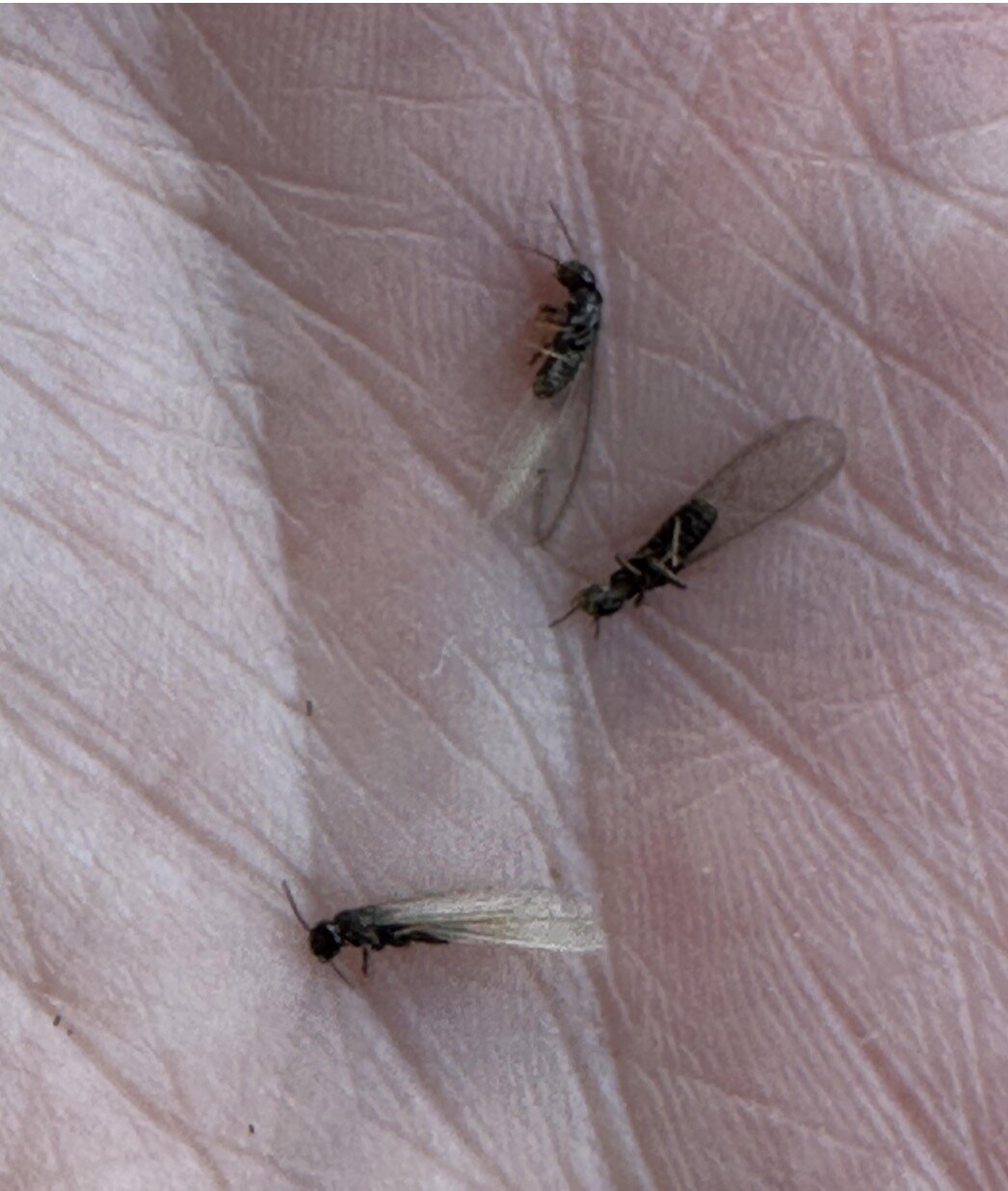
Termite Swarmers Found Indoors
Winged termite swarmers found indoors — a strong sign of a nearby mature colony that needs immediate attention.
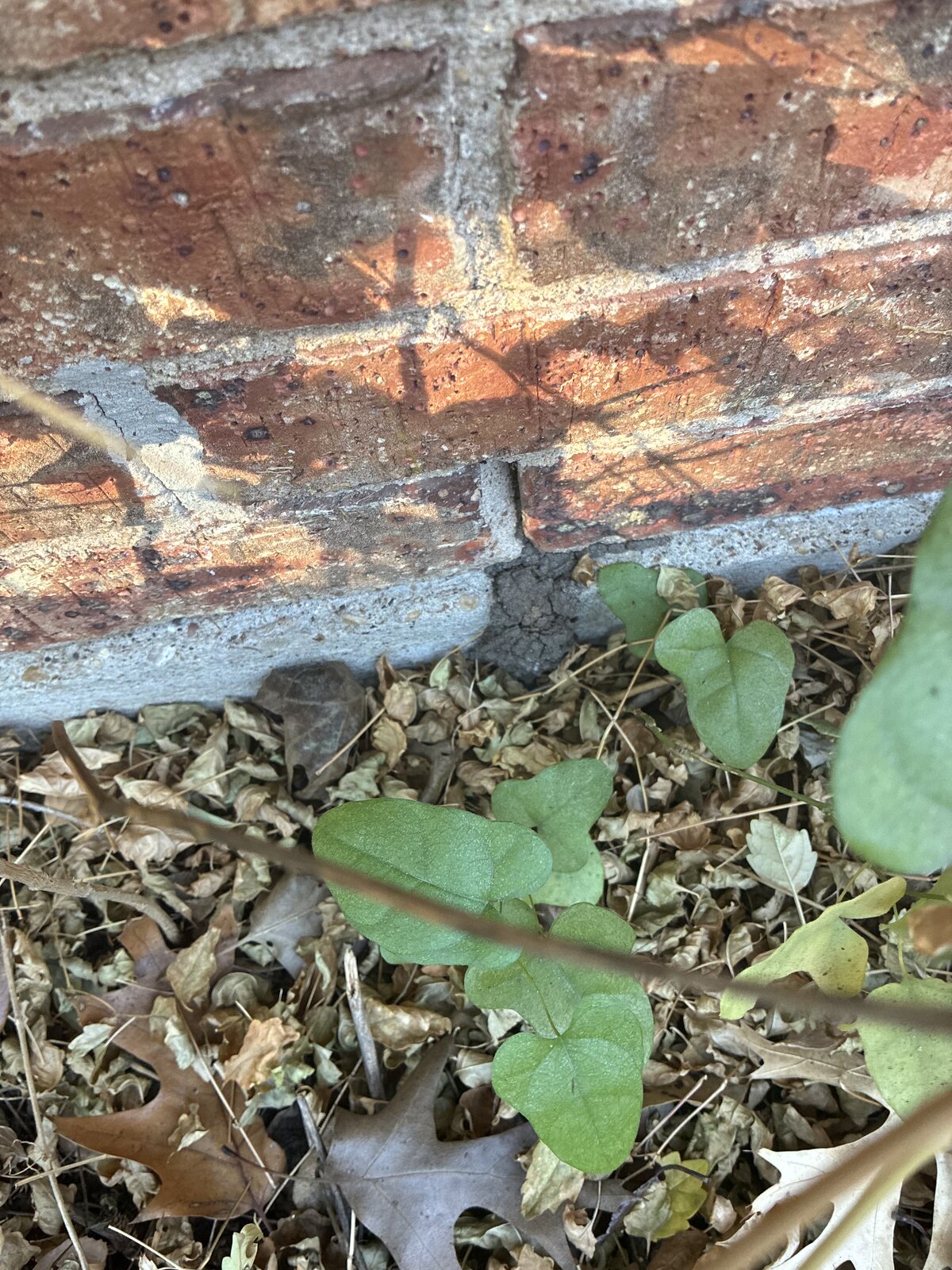
Mud Tube on Foundation
A termite mud tube running up a brick foundation, built by workers traveling between the soil and the wood they're feeding on.
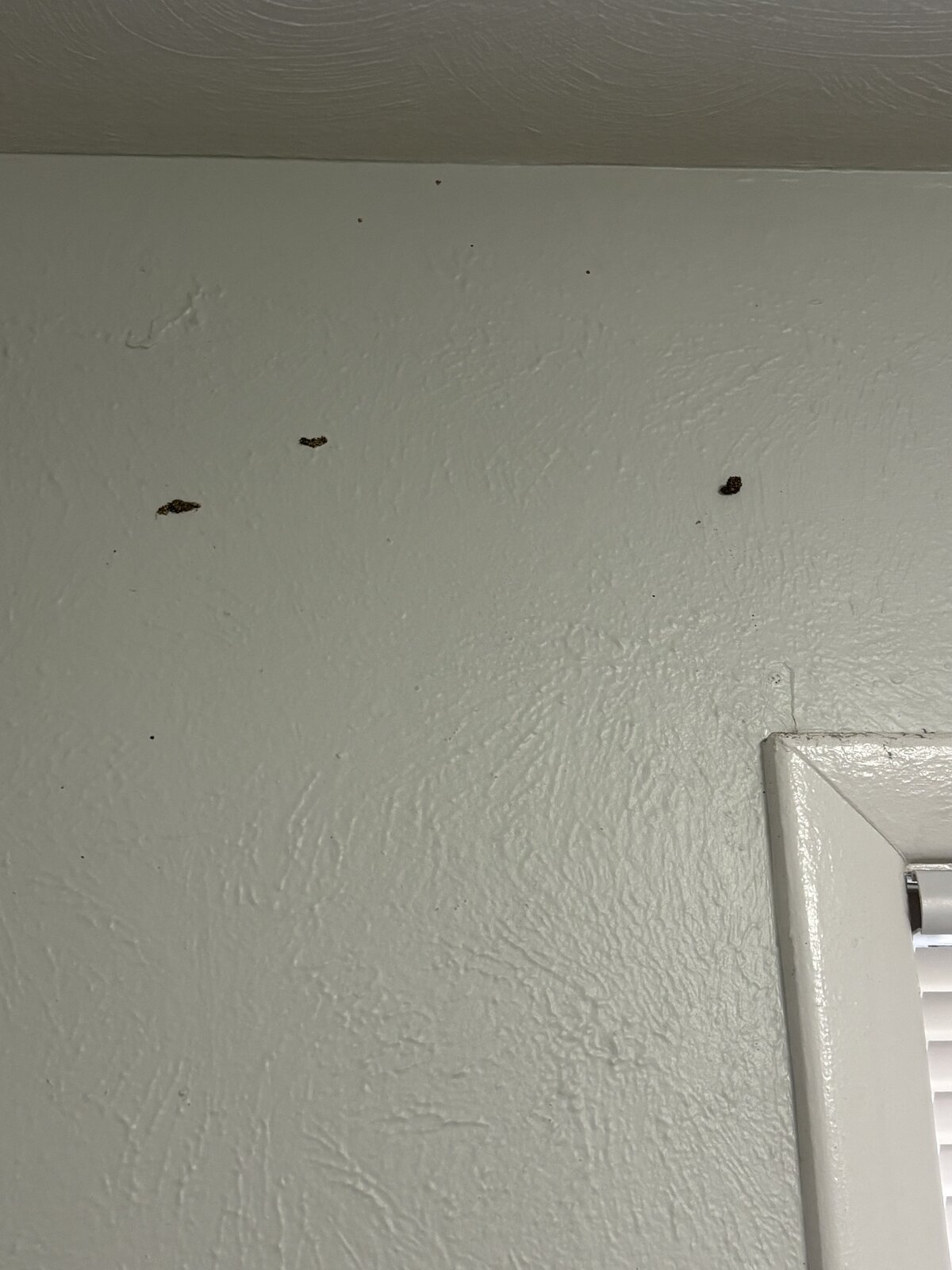
Termite Swarmers on Interior Wall
Termite swarmers spotted on an interior wall during an inspection, indicating an active colony nearby.
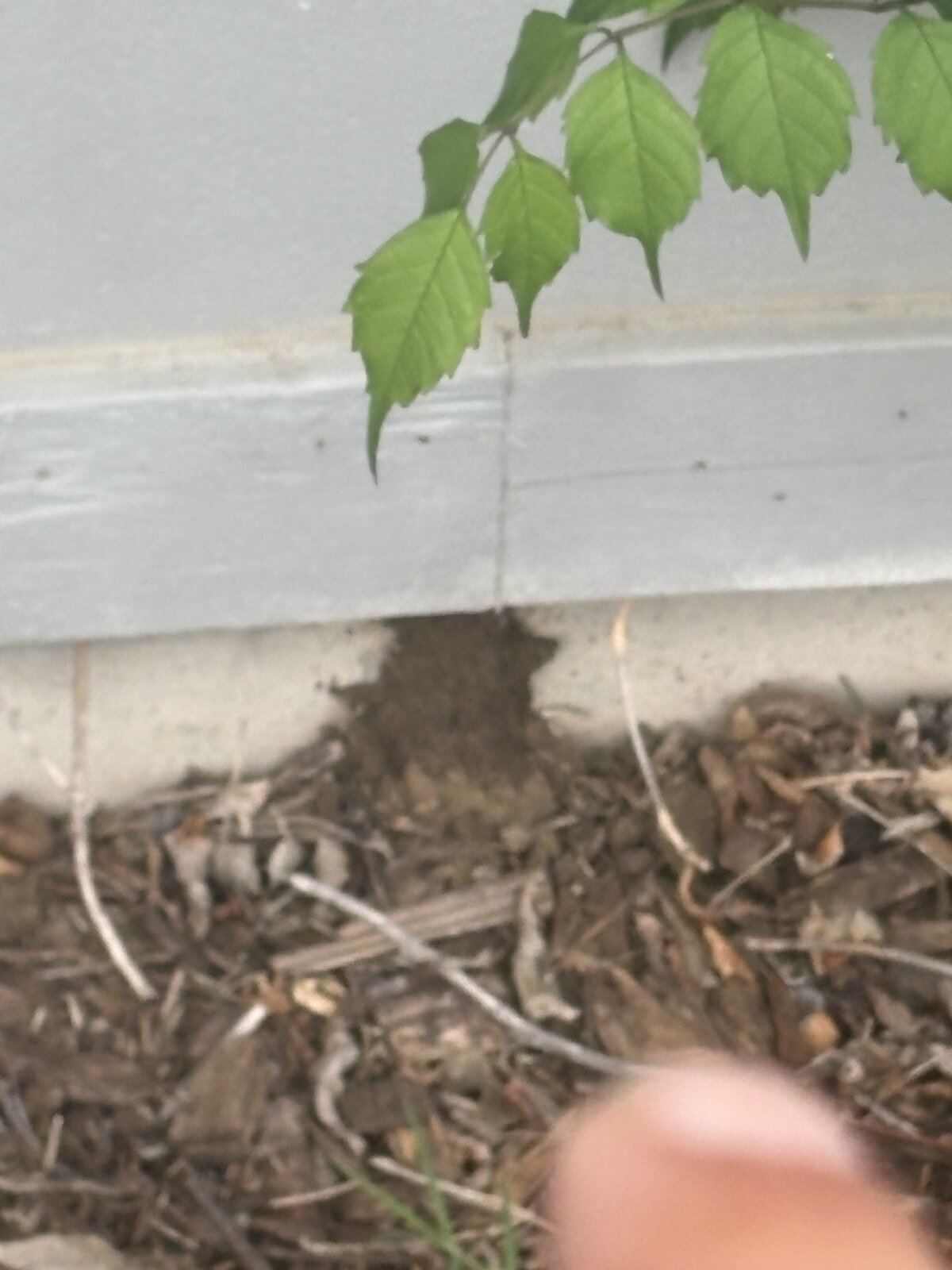
Mud Tube Along Foundation
Another mud tube found along a home's foundation. These shelter tubes protect termites from open air as they travel to a food source.
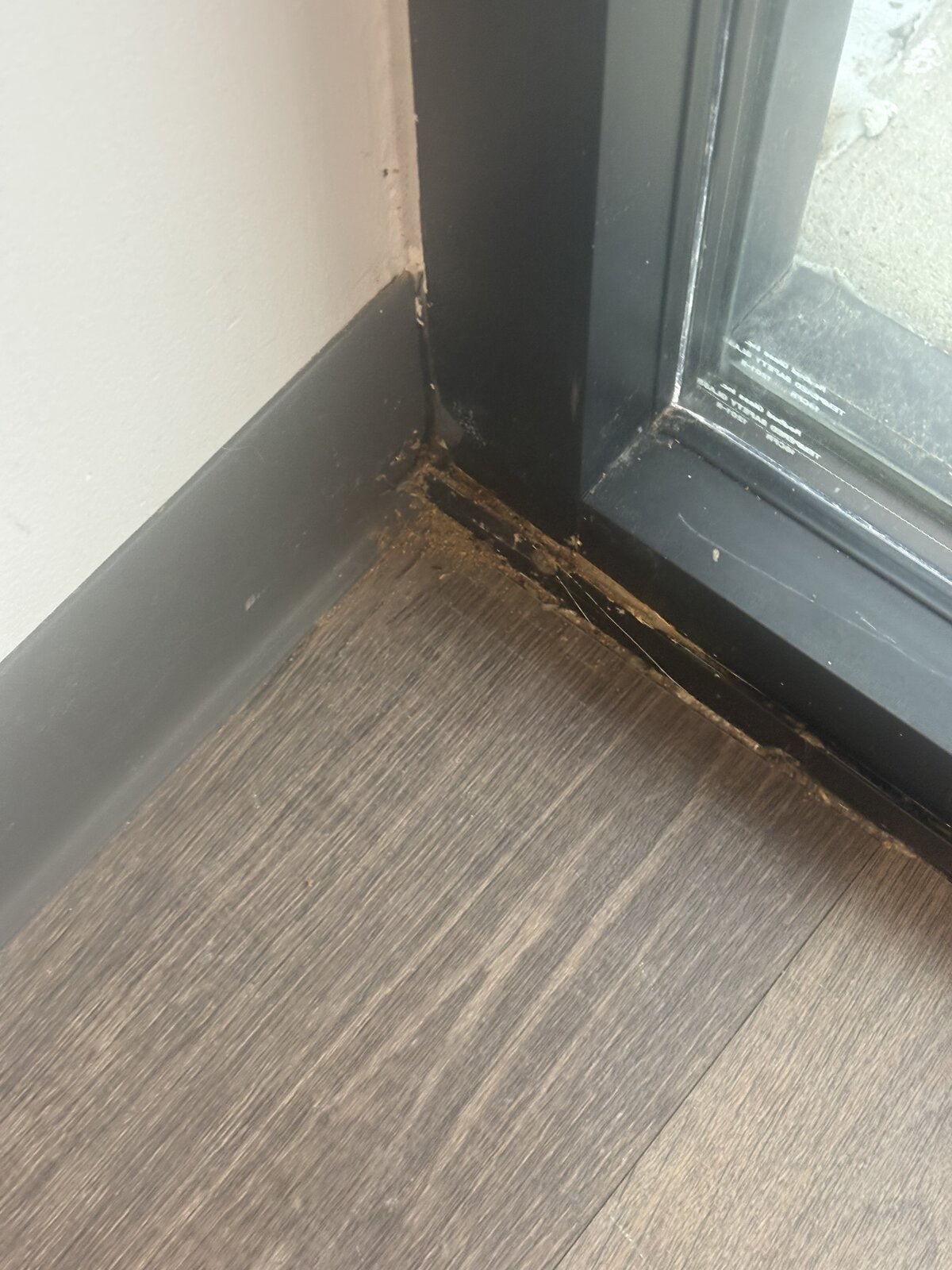
Baseboard Damage
Termite damage discovered at a baseboard during a routine inspection — early detection like this prevents costly structural repairs.
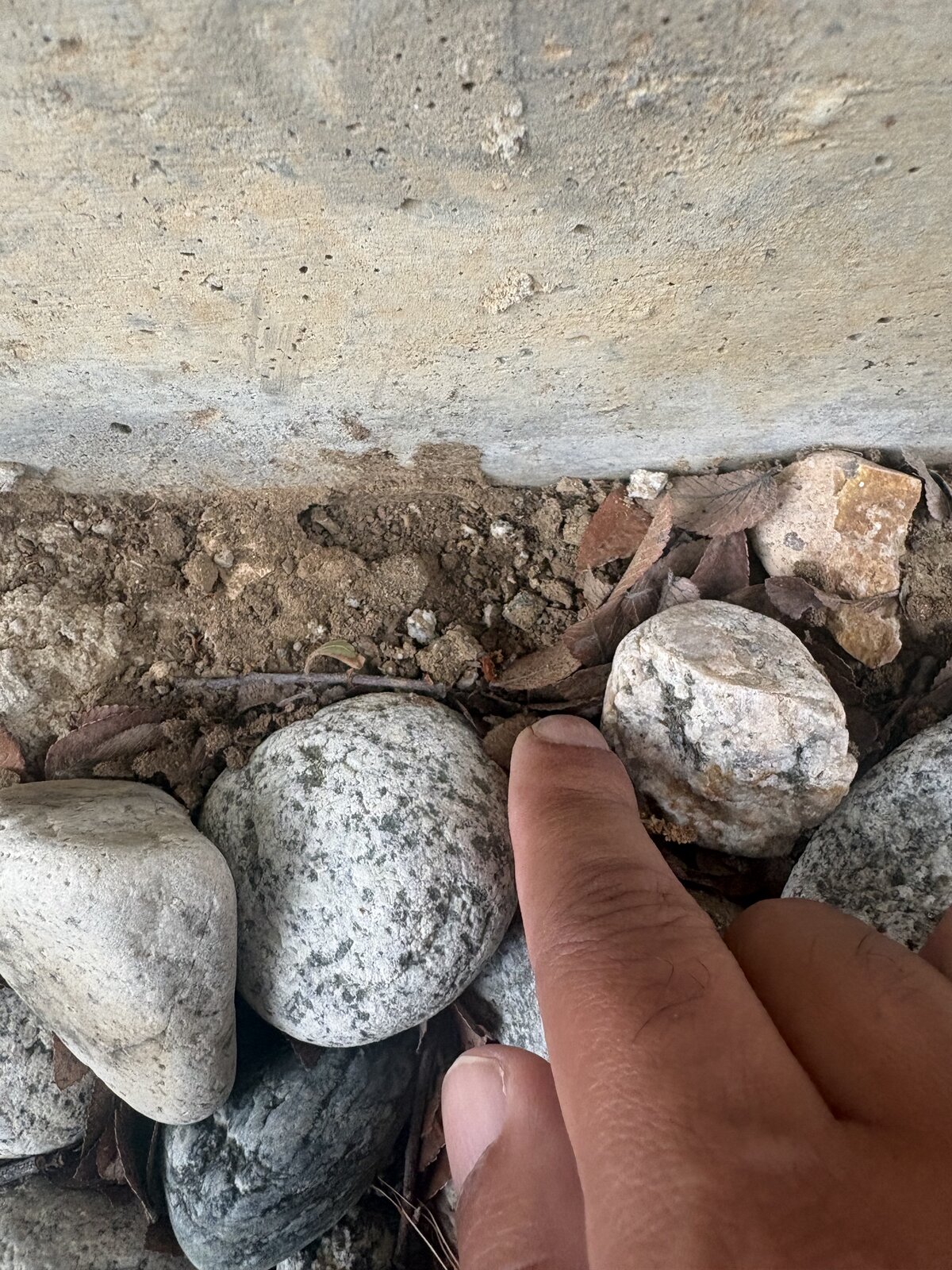
Mud Tube in Landscaping Rock
A termite mud tube found running through landscaping rock at a foundation edge, a common entry point we check on every inspection.
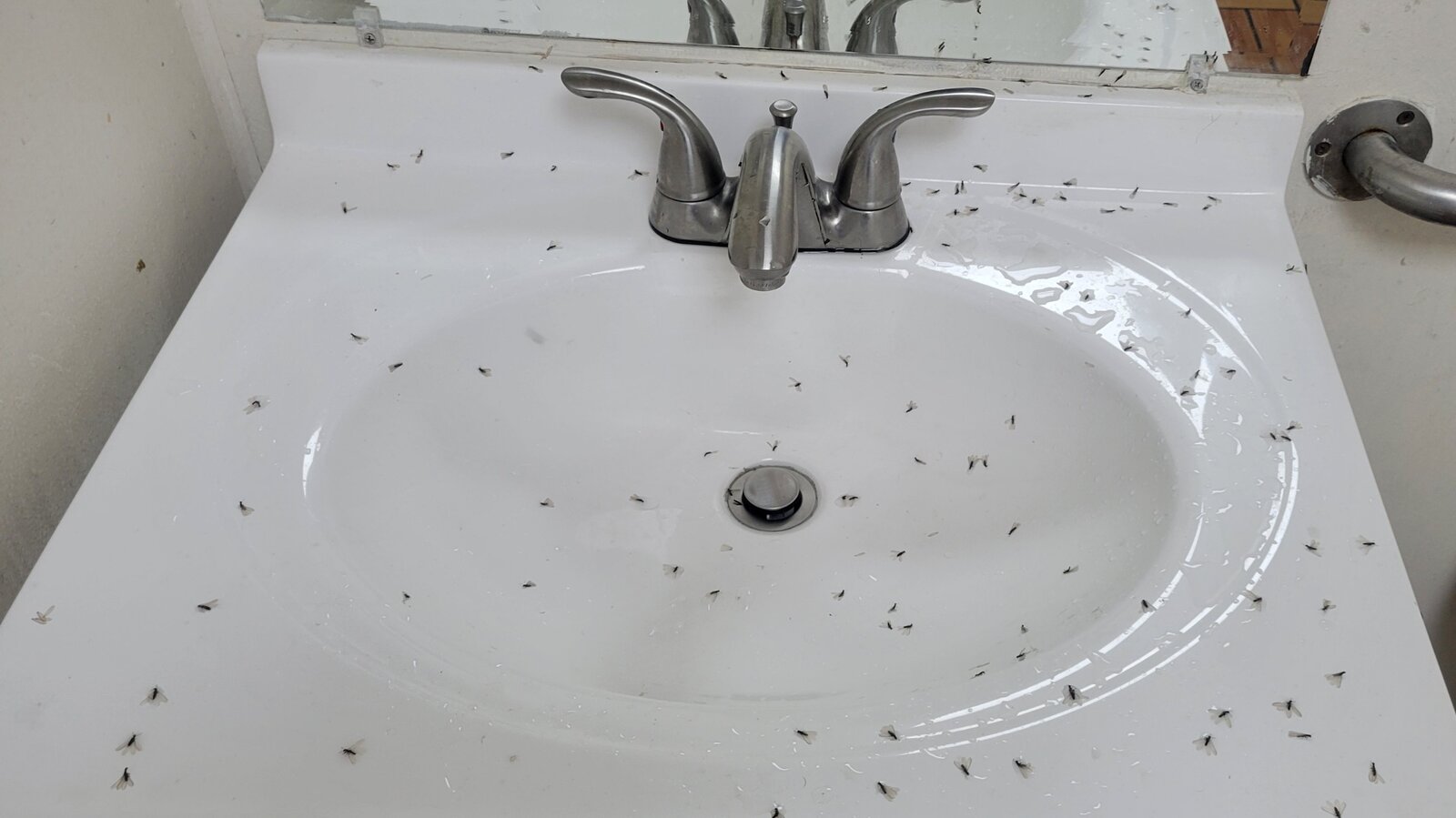
Swarmers Found in Bathroom
A termite swarm event brought dozens of winged termites into a bathroom overnight — a clear sign to schedule an inspection right away.
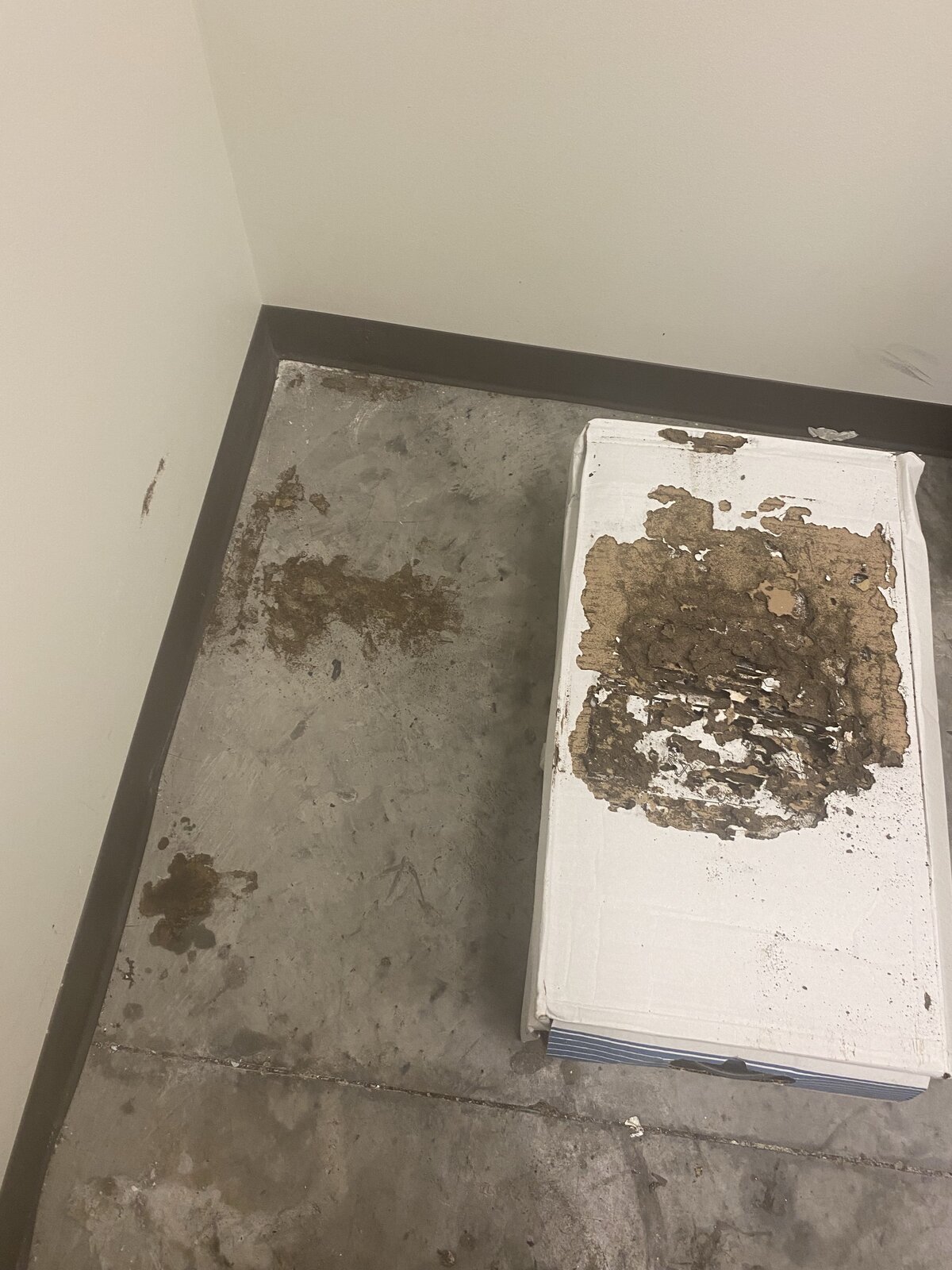
Baseboard Damage — Room Corner
Termite damage found along a room's baseboard corner. Left untreated, termites can compromise framing and flooring.
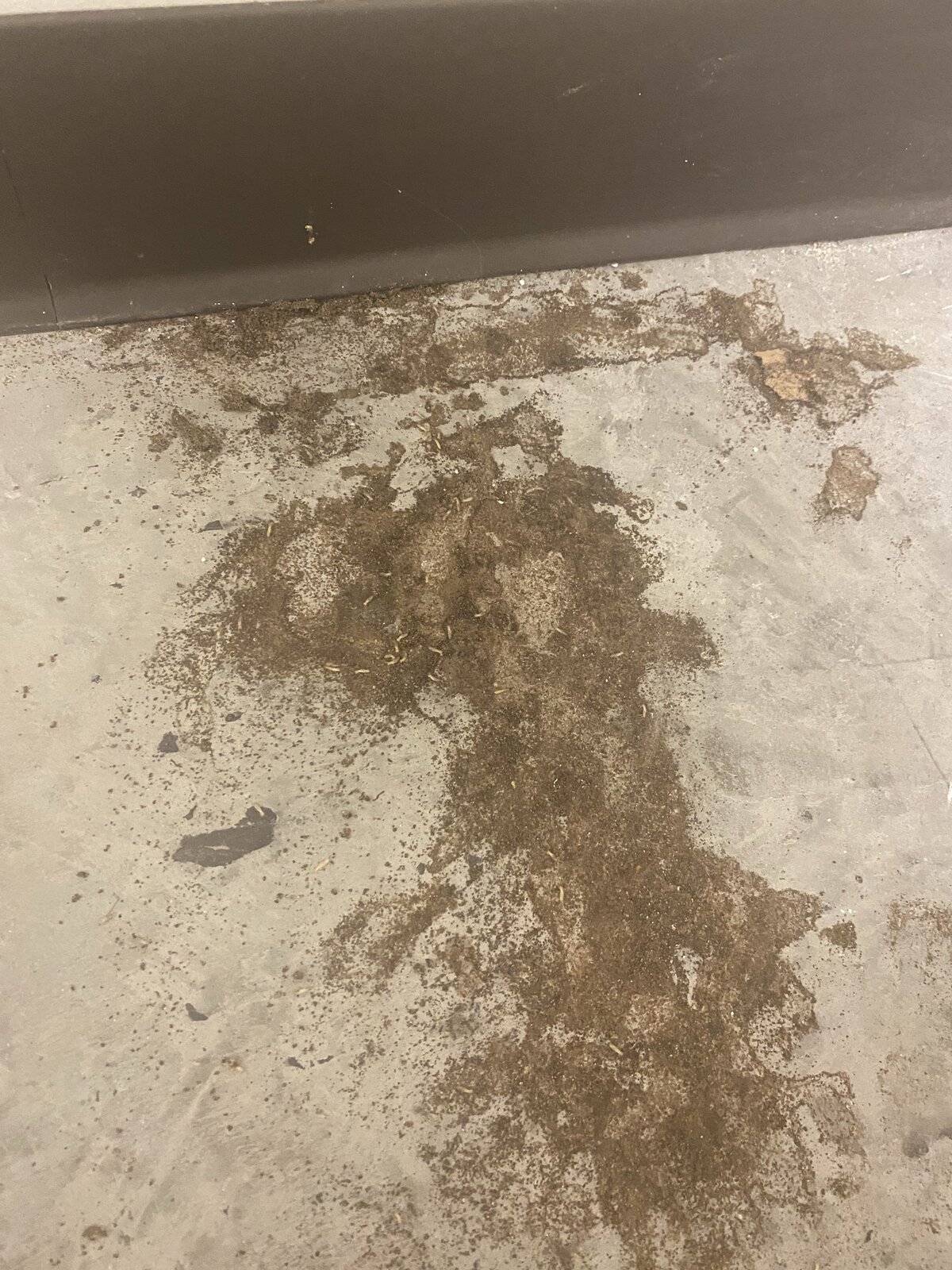
Close-Up Baseboard Damage
A closer look at termite damage to interior baseboards, showing the crumbling wood typical of an active infestation.
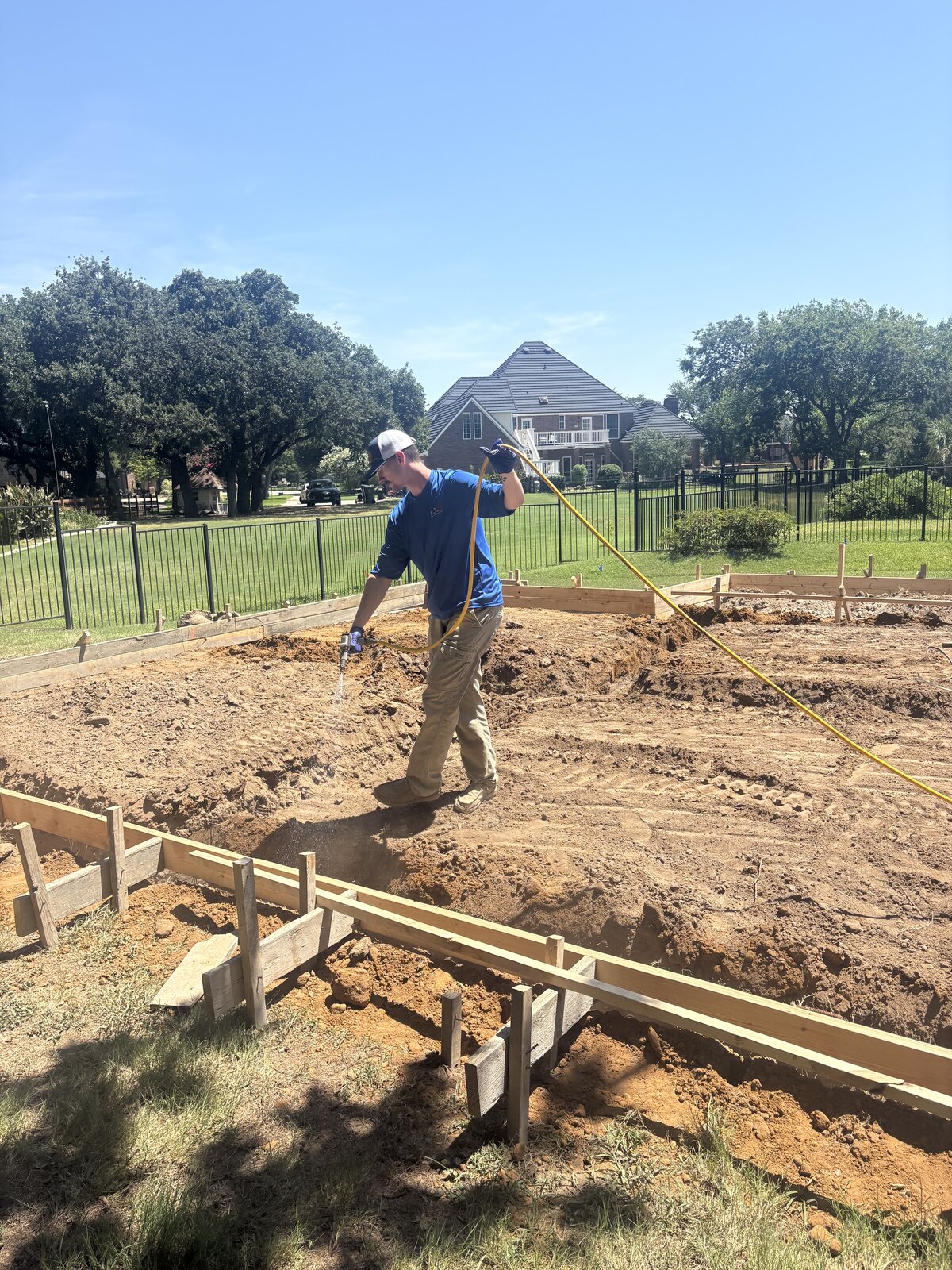
Pre-Construction Soil Treatment
Pre-construction termite treatment in progress — applying a liquid soil barrier before the foundation is poured, the most effective time to protect a new home.
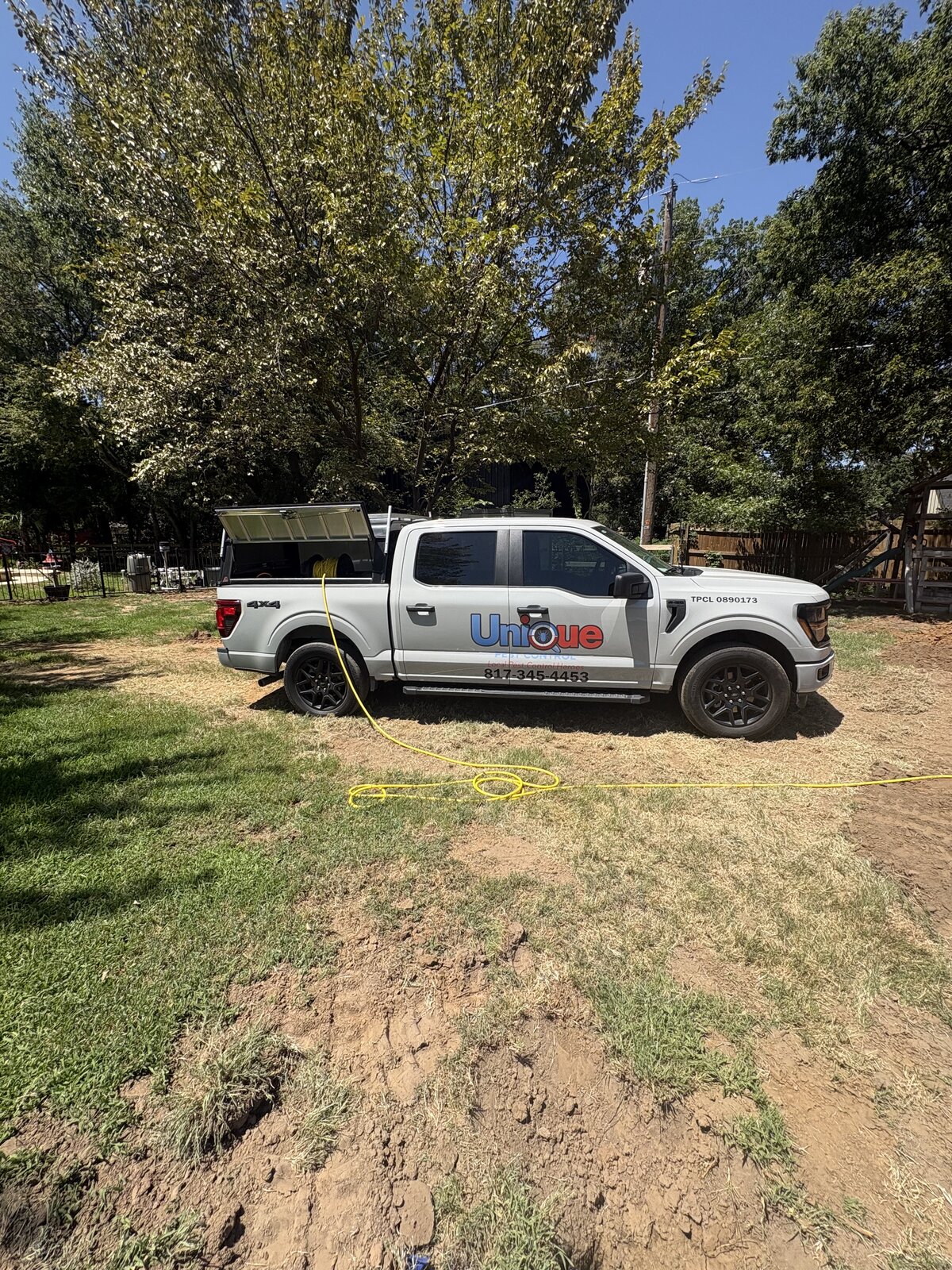
Pre-Construction Treatment — On Site
Our team on site for a pre-construction termite treatment, protecting a new build from the ground up before framing begins.
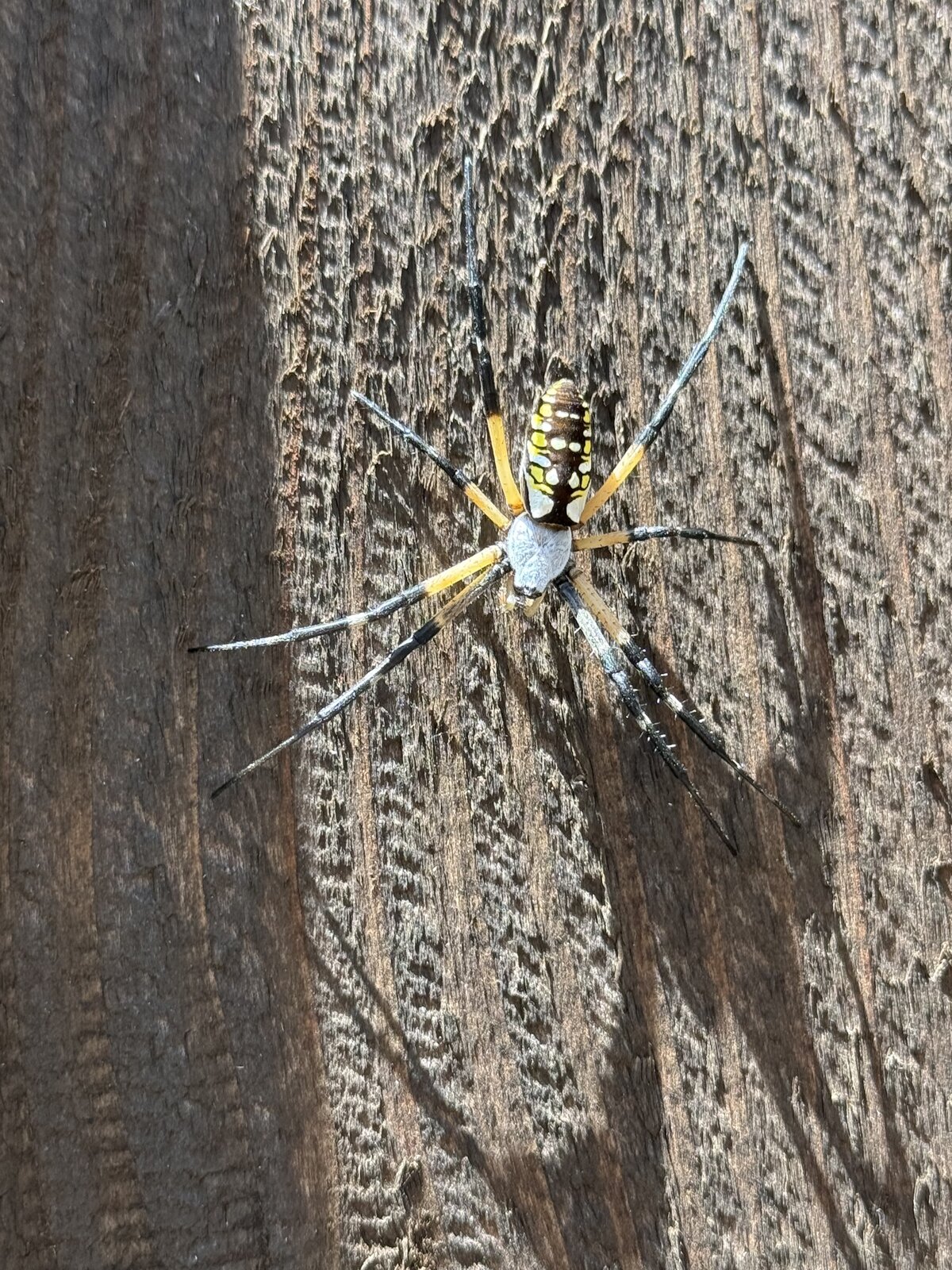
Garden Spider on Wood Fence
A garden spider resting on a wood fence. While mostly harmless, large webs and populations around a home are a common nuisance call.
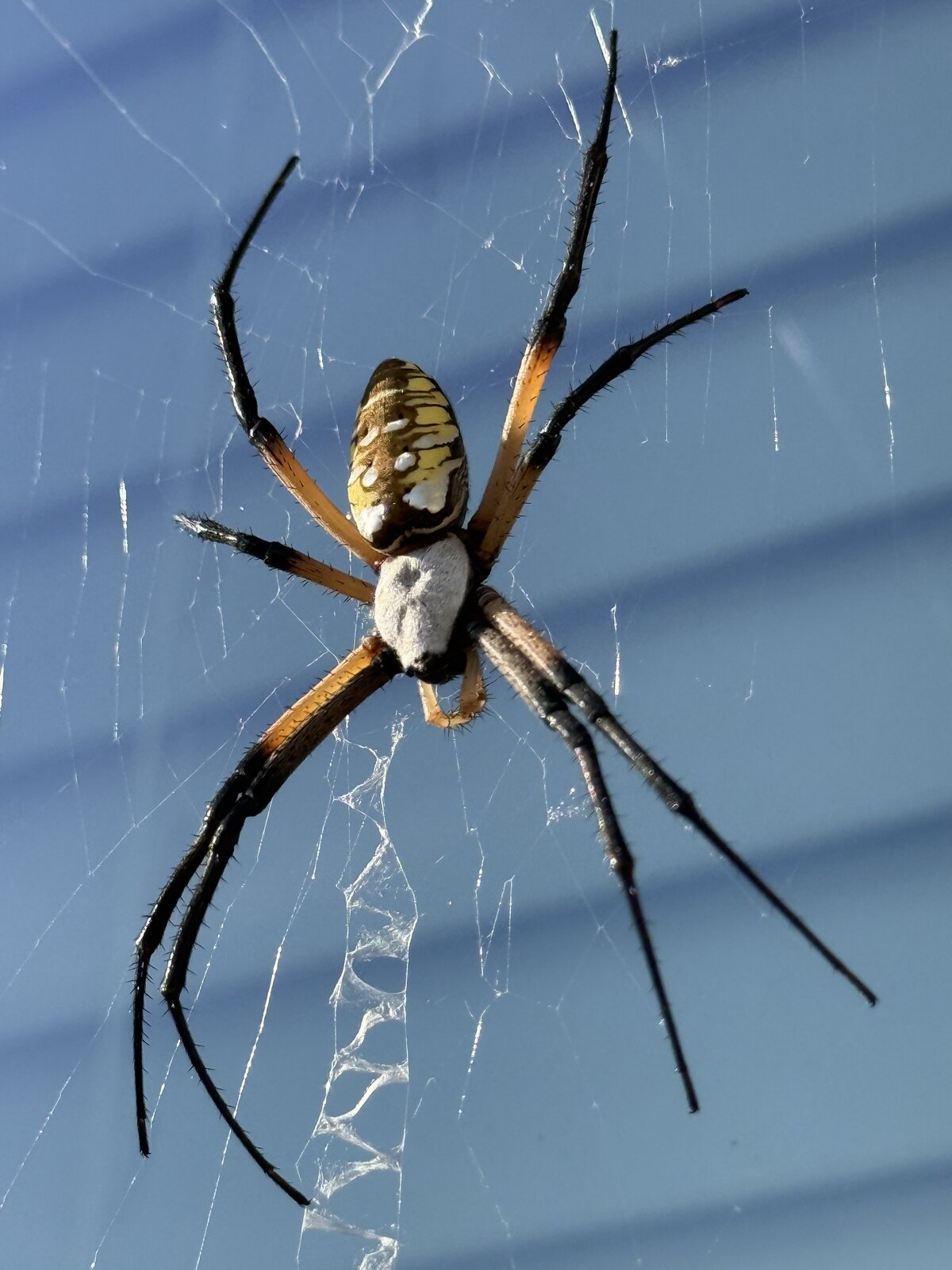
Spider in Web on Siding
A spider building its web against exterior siding. We treat these harborage areas to reduce webbing around entry points.
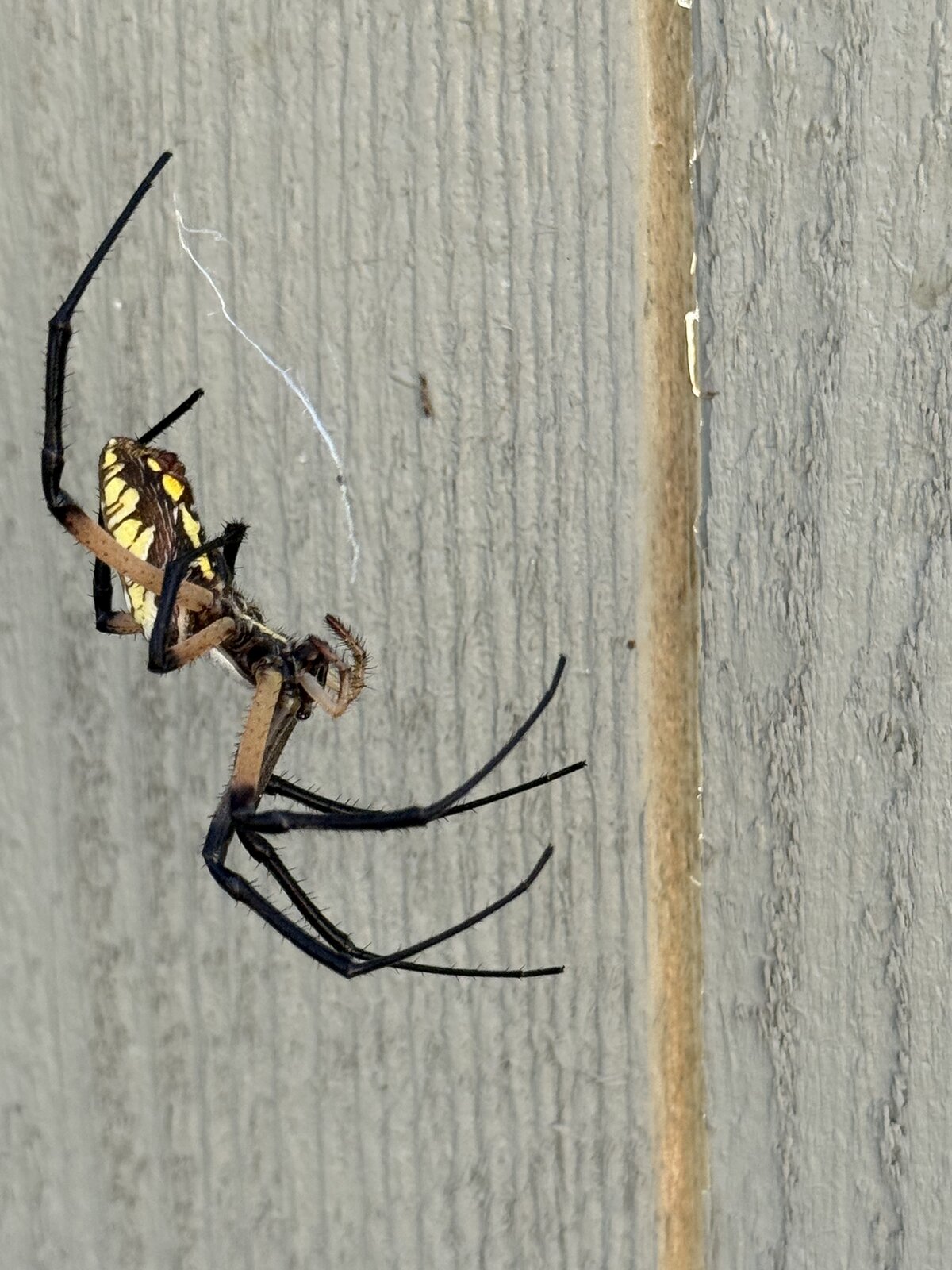
Spider Activity on Wood Trim
Spider activity found on exterior wood trim during an inspection.
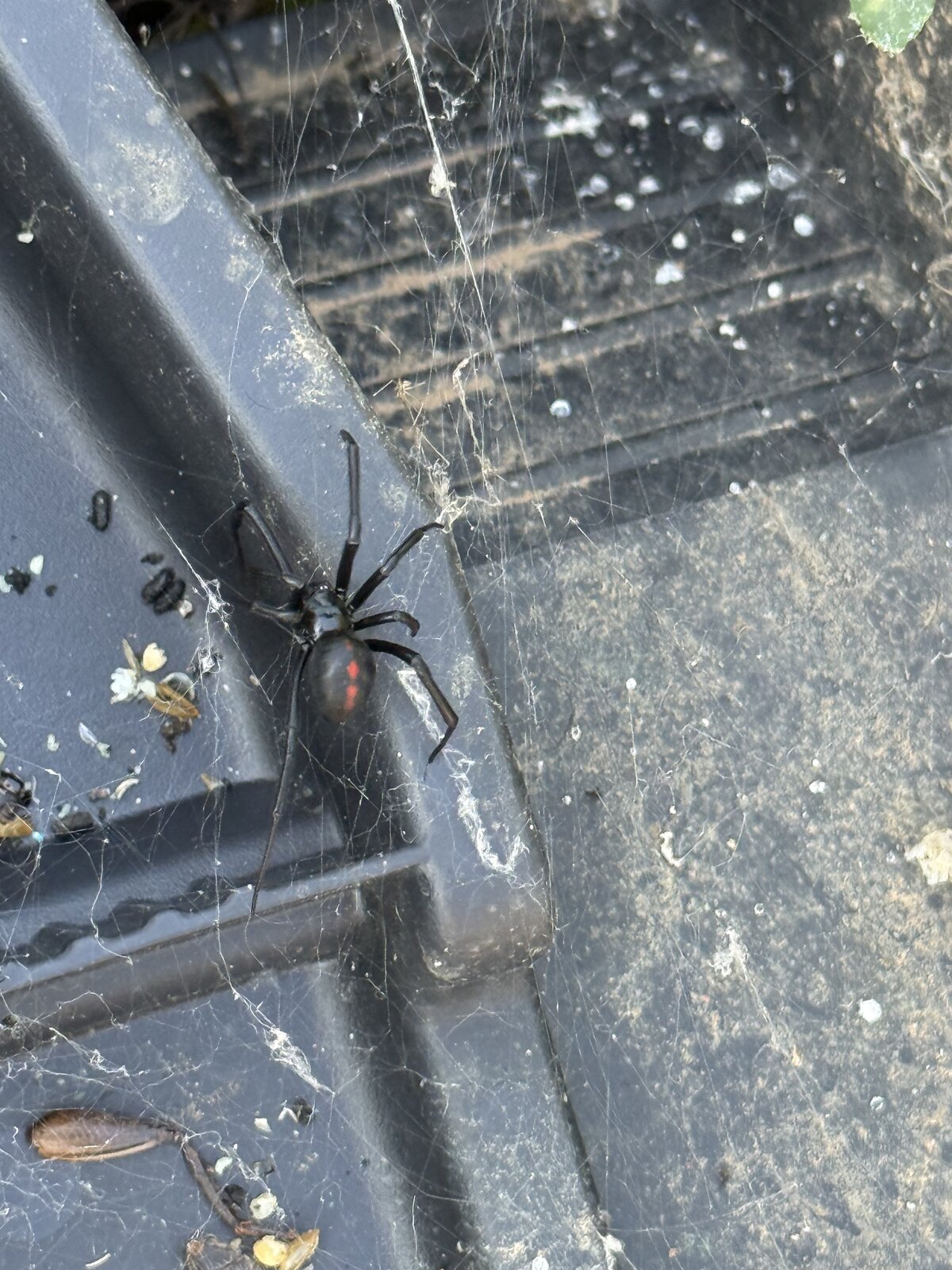
Spider in Gutter Corner
A spider tucked into a gutter corner — a favorite harborage spot we target during exterior treatments.
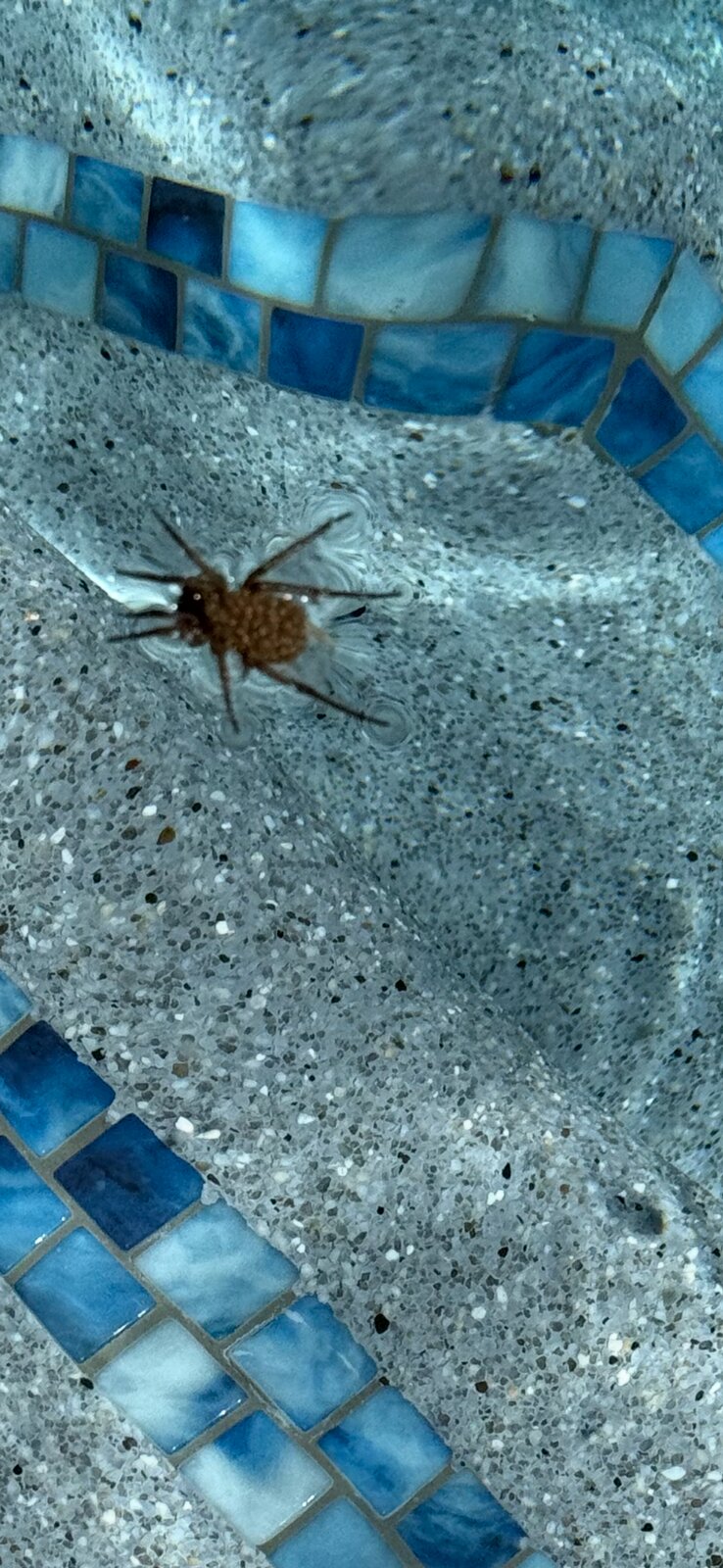
Spider Near Pool
A spider found near a pool's tile line. Pool equipment and surrounding areas are common spider harborage zones.
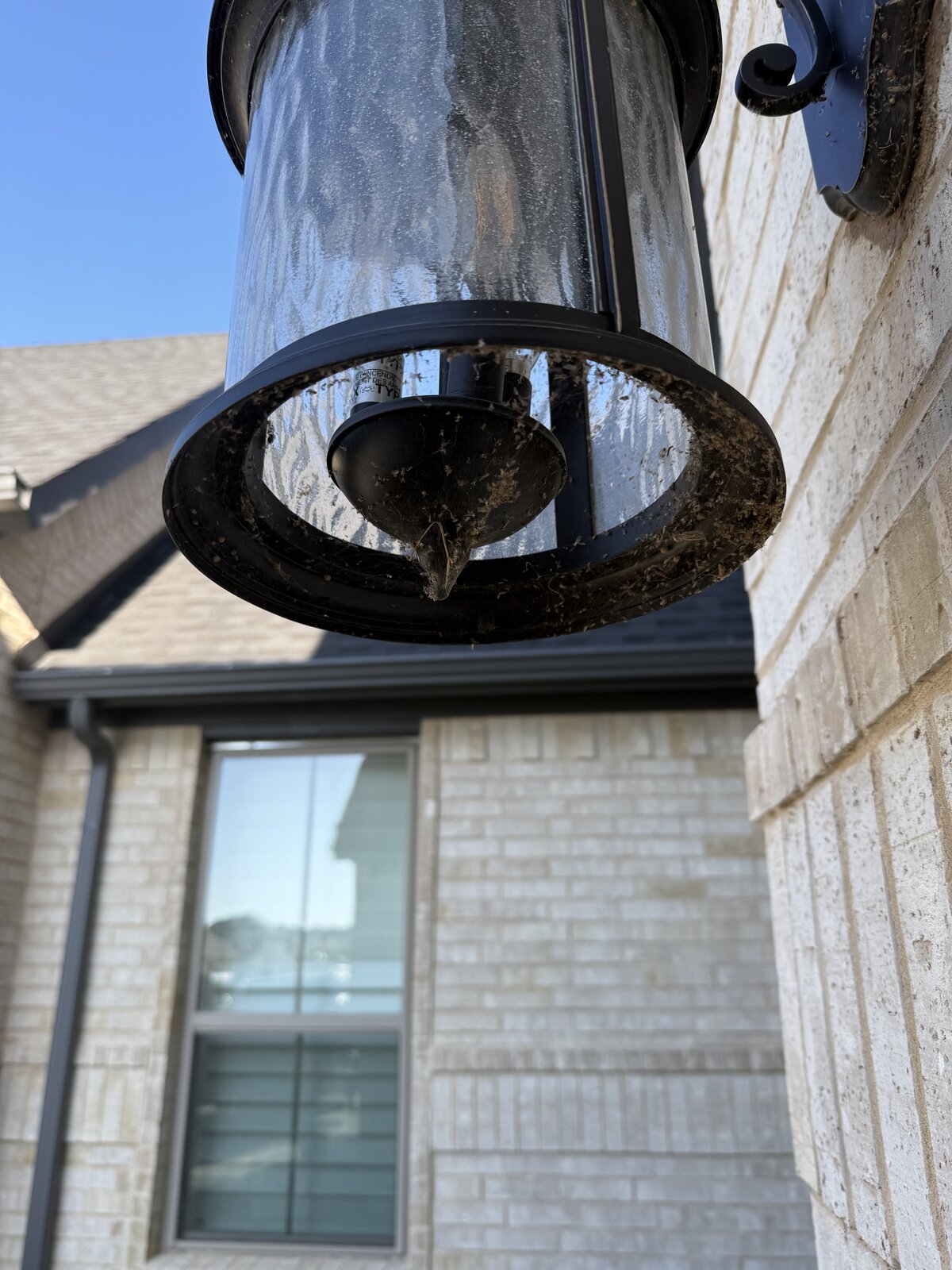
Spider Near Entry Light
A spider building a web near an entry light fixture, drawn in by the insects the light attracts at night.
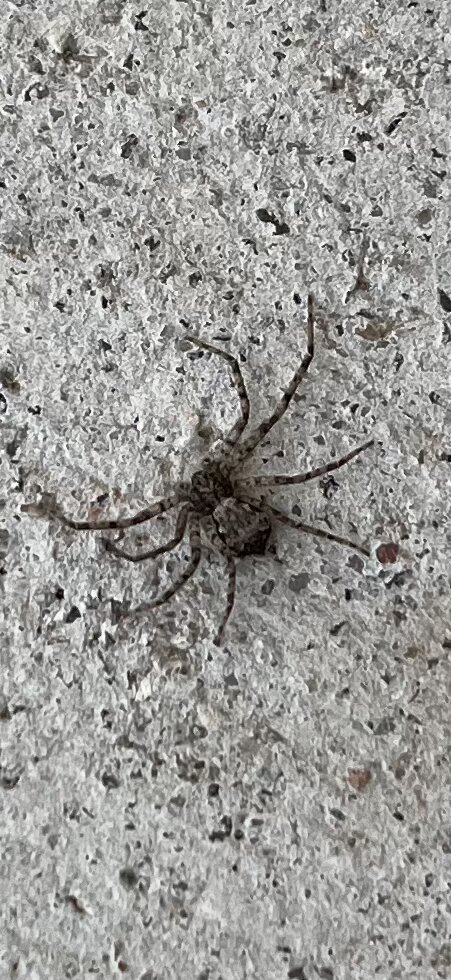
Spider on Exterior Wall
A spider found on an exterior stucco wall during a routine perimeter inspection.
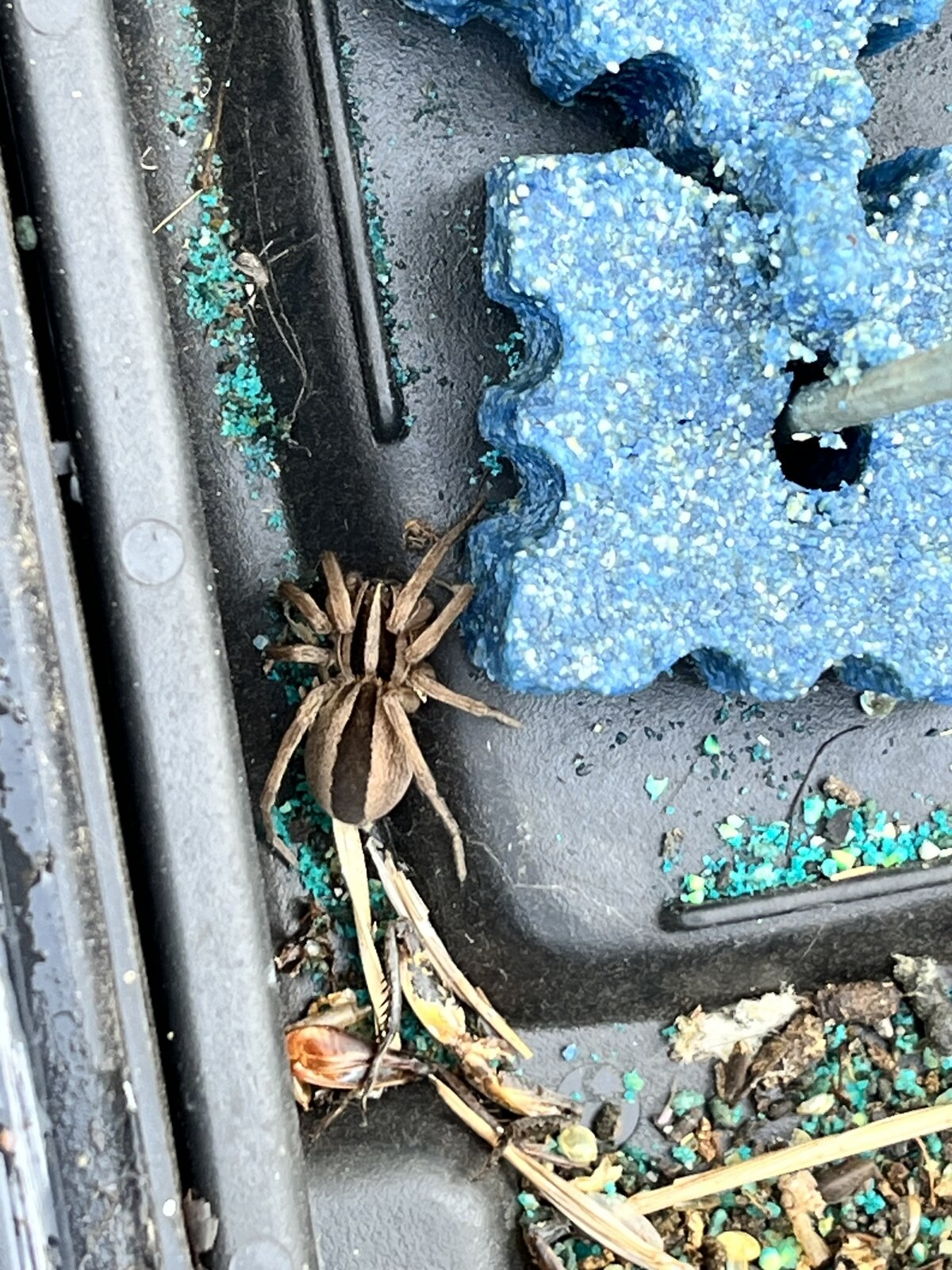
Spider on Pool Equipment
A spider found nesting on pool equipment — a warm, sheltered spot that's easy to overlook.
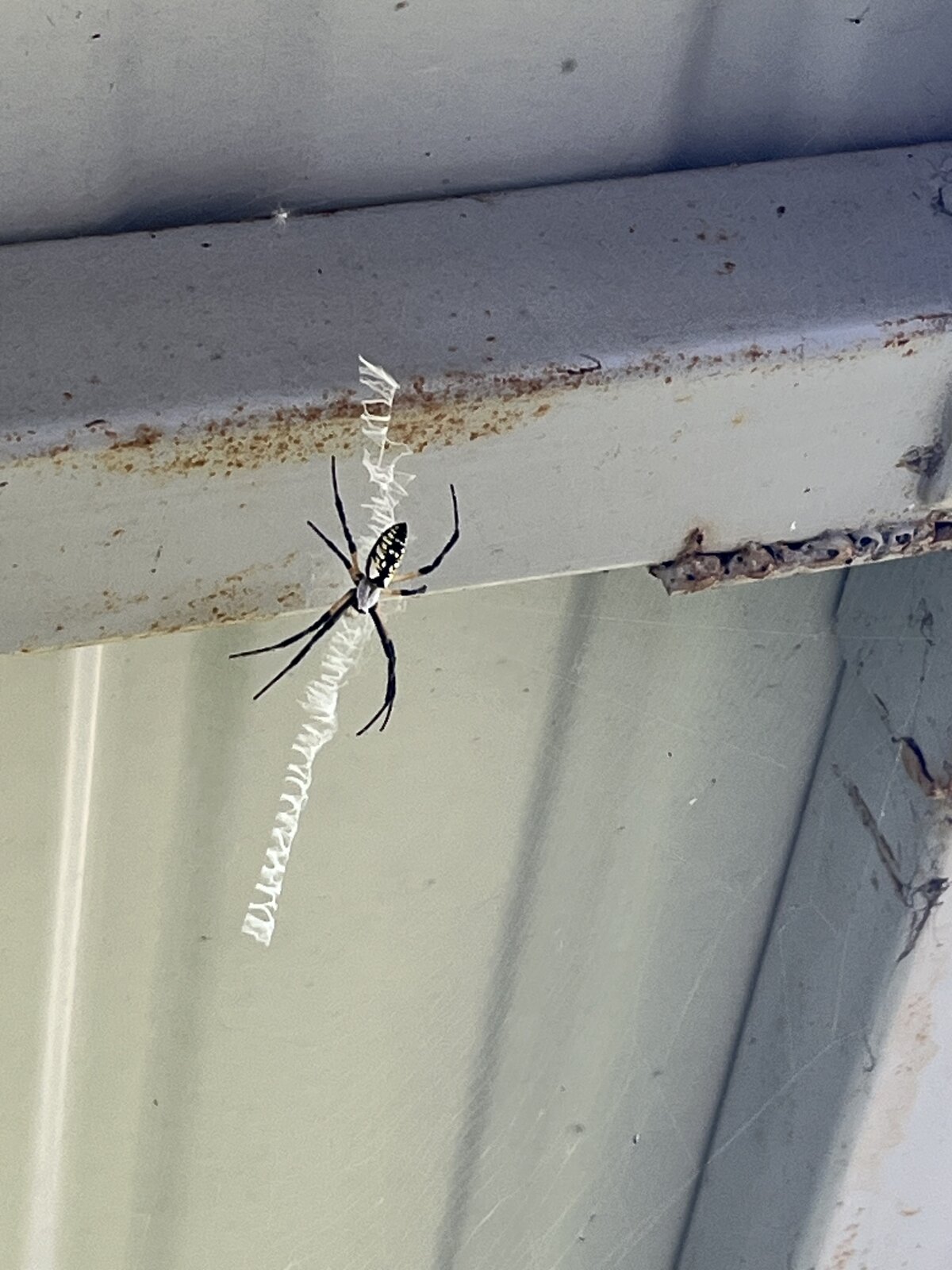
Spider in Gutter Web
A spider's web spun along a gutter edge, one of many harborage areas we check during exterior service.
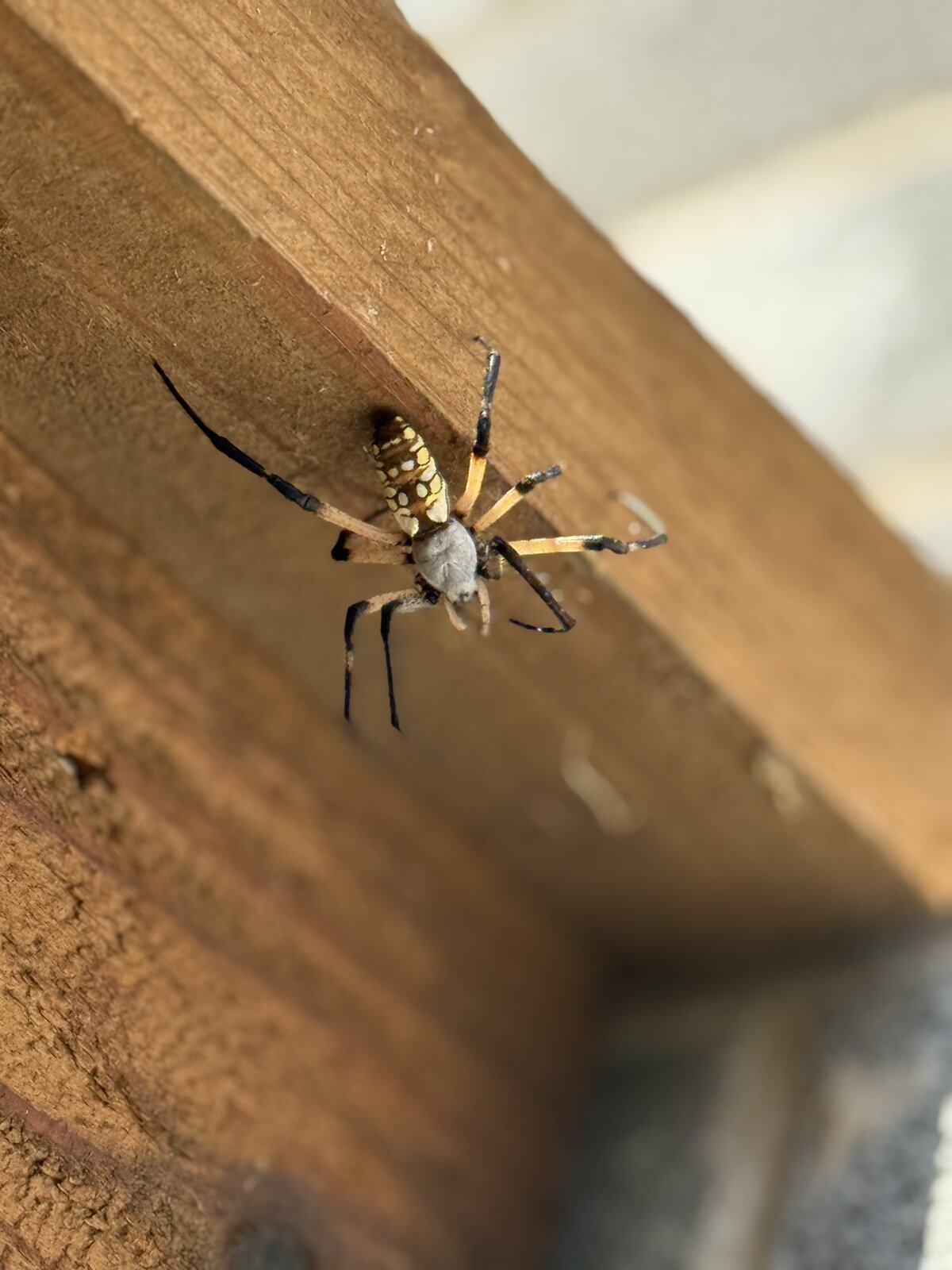
Garden Spider on Wood Beam
A garden spider perched on an exterior wood beam.
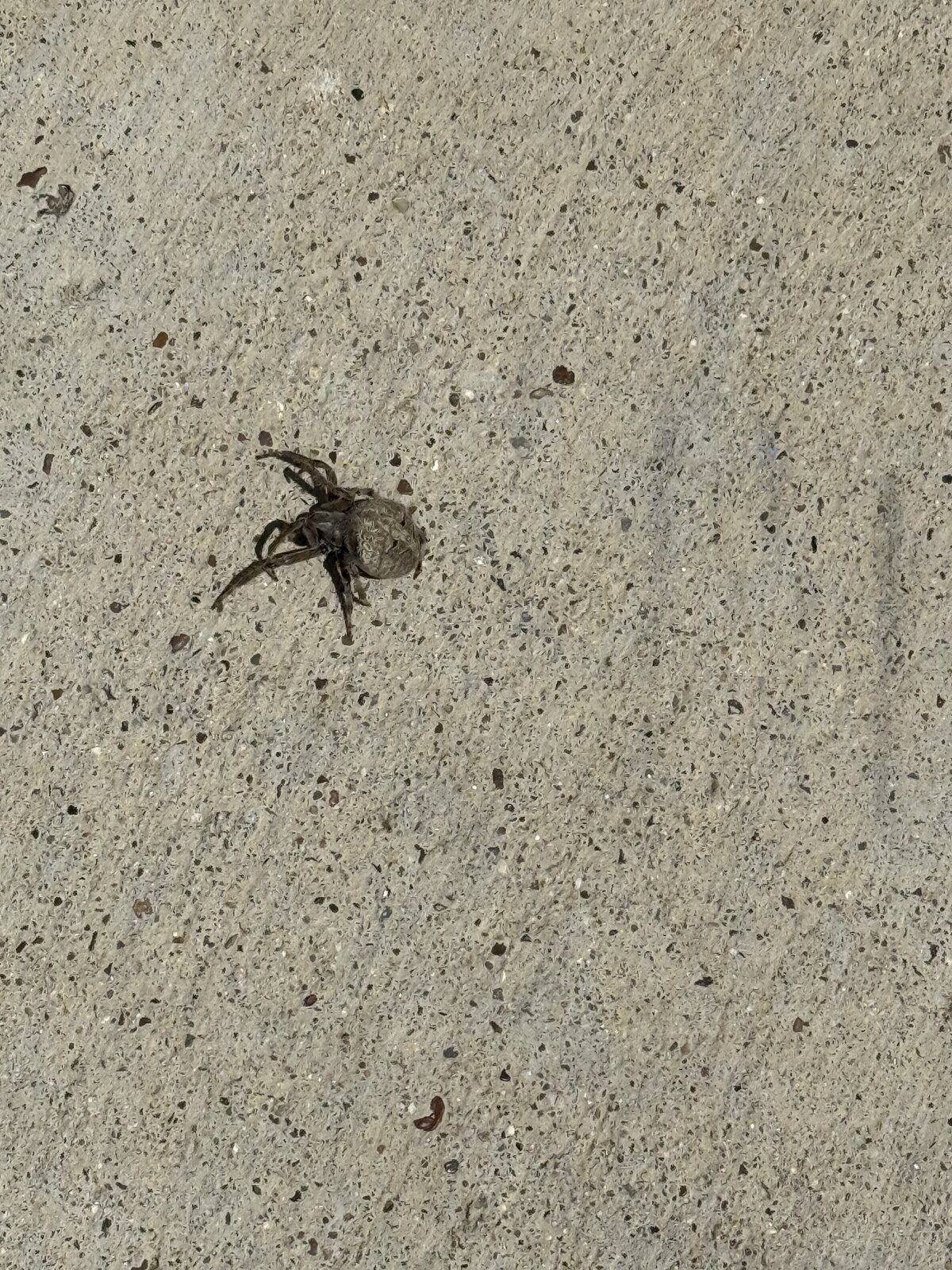
Spider on Concrete
A spider found crossing a concrete patio, commonly seen during warmer months in North Texas.
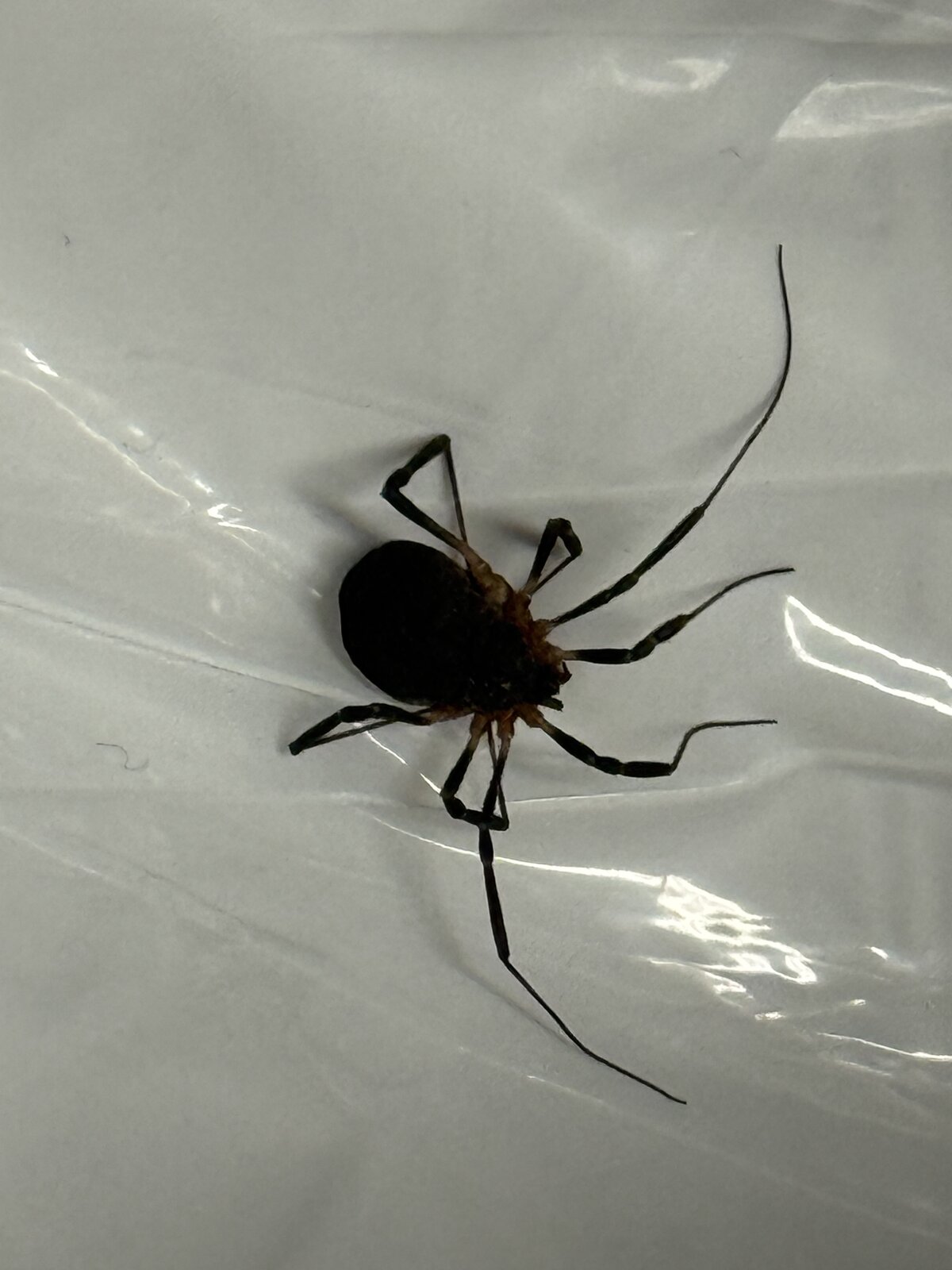
Black Widow — Close-Up
Another Black Widow found during a North Texas inspection. Their venomous bite makes professional treatment the safest option.
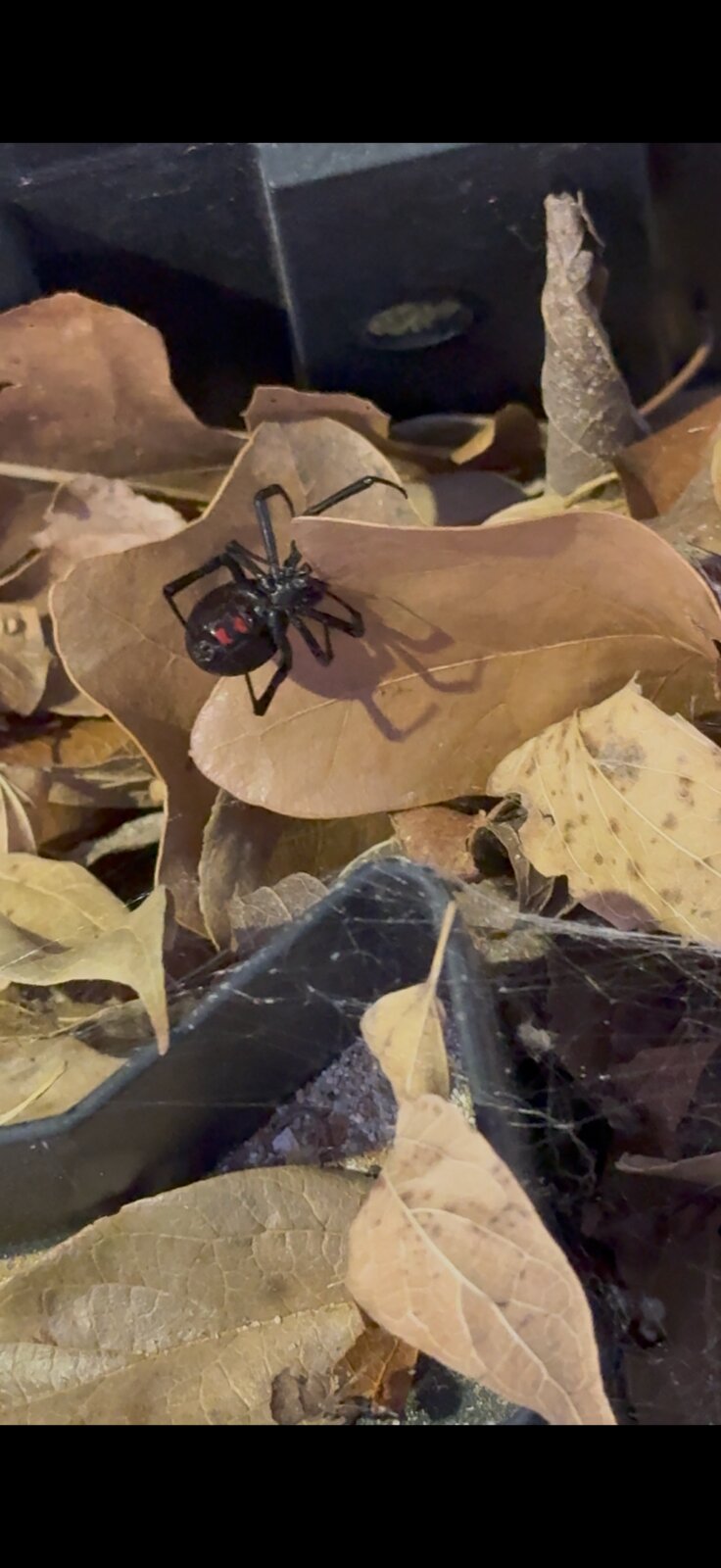
Spider in Fall Leaves
A spider found among fallen leaves near a home's foundation — a reminder to keep leaf litter and mulch beds treated.
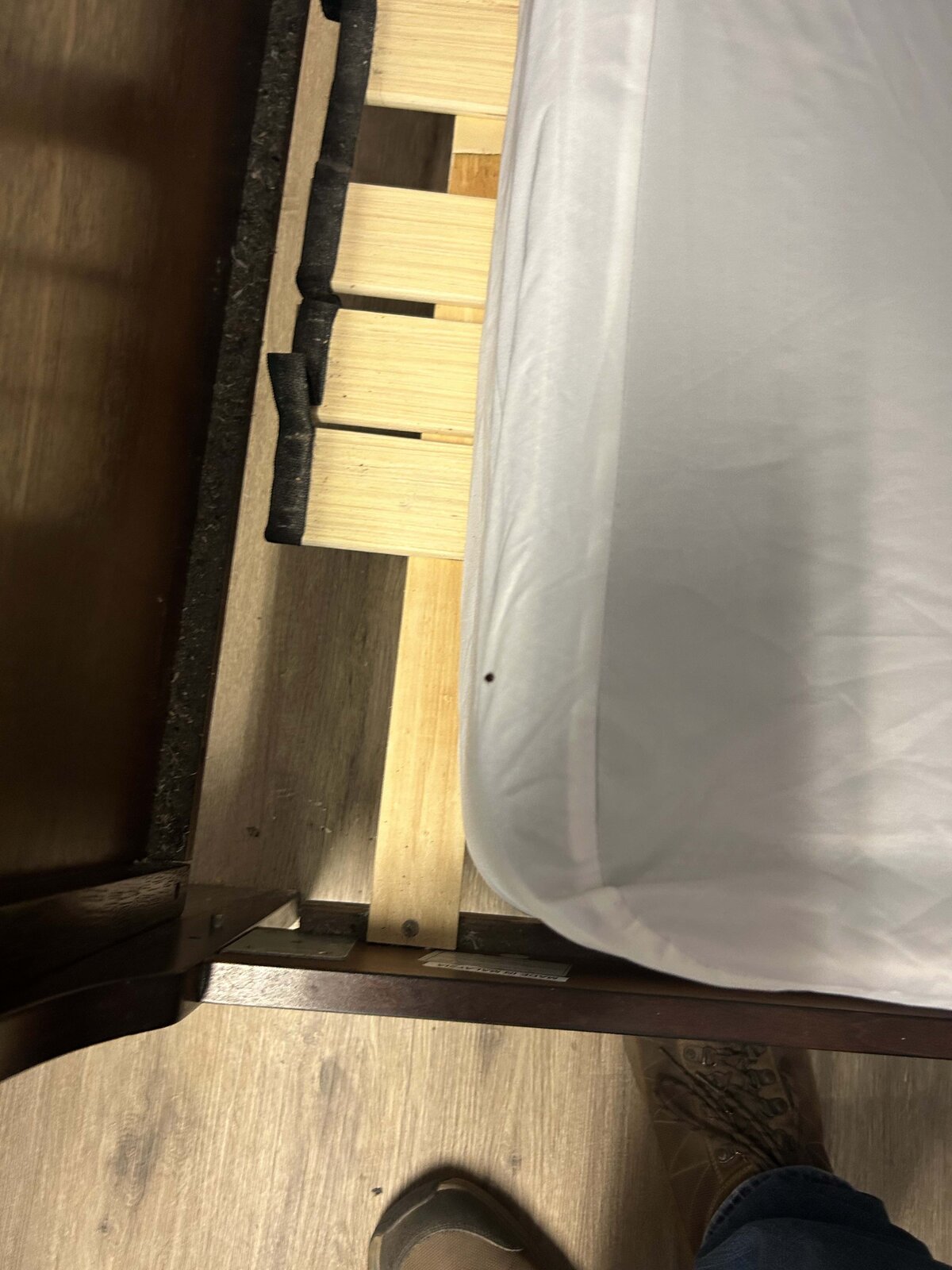
Bed Bug Fecal Marks — Bed Frame
Bed bug fecal staining found along a bed frame during an inspection — one of the clearest signs of an active infestation.
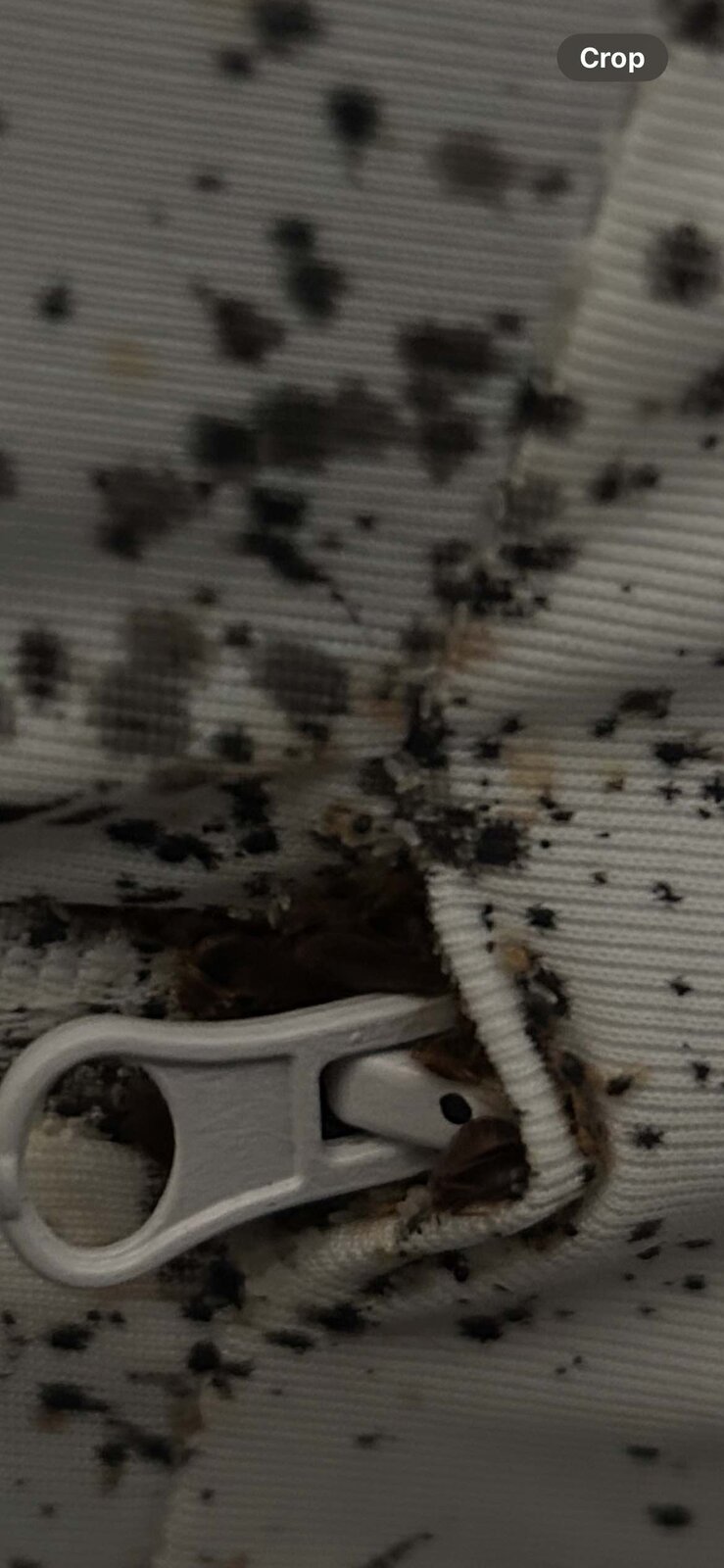
Bed Bugs on Mattress Zipper
Bed bugs and fecal marks found along a mattress zipper, a favorite hiding spot for these pests.
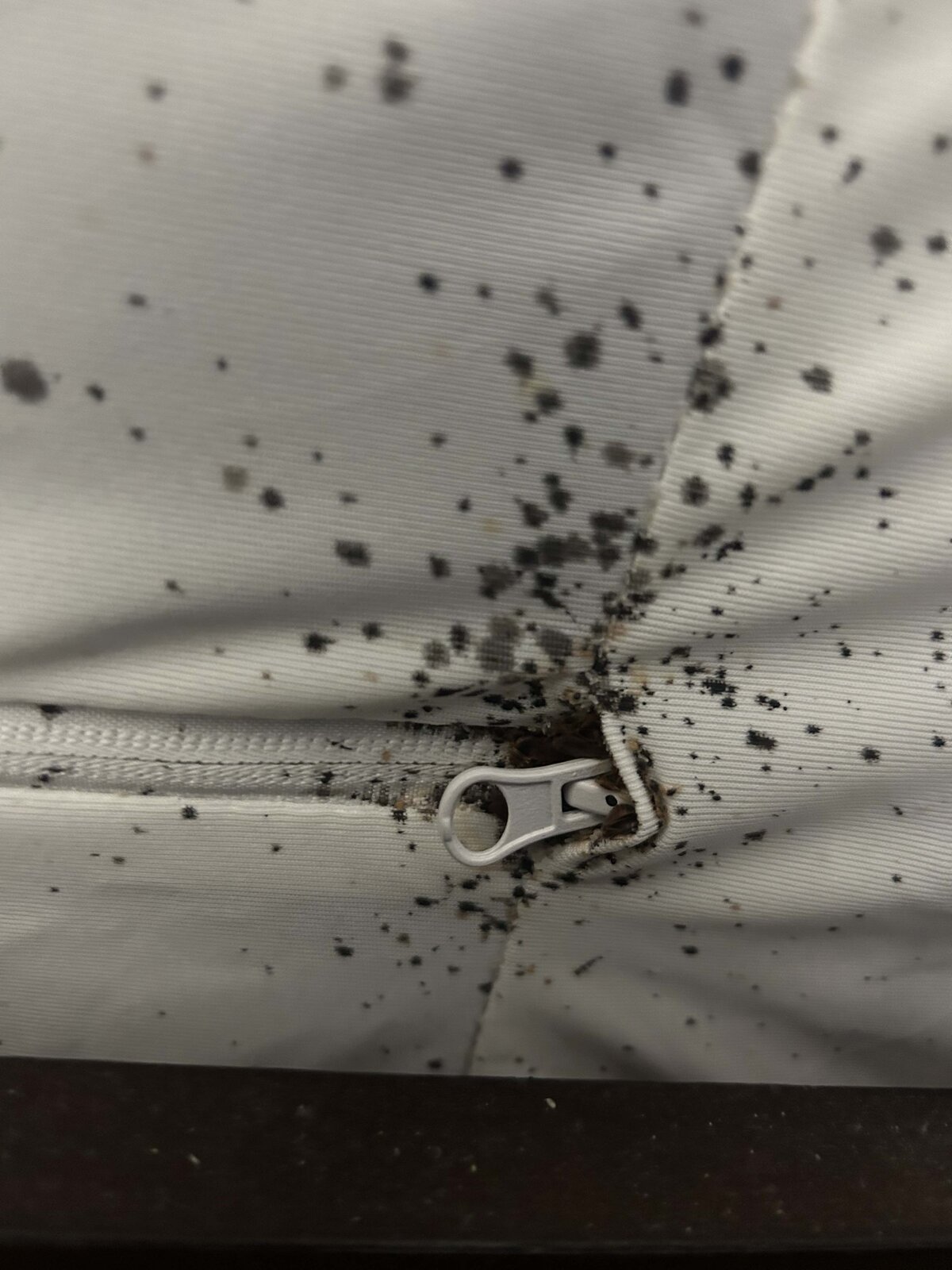
Bed Bug Activity — Mattress Seam
Bed bug activity concentrated along a mattress seam, where they hide close to their food source.
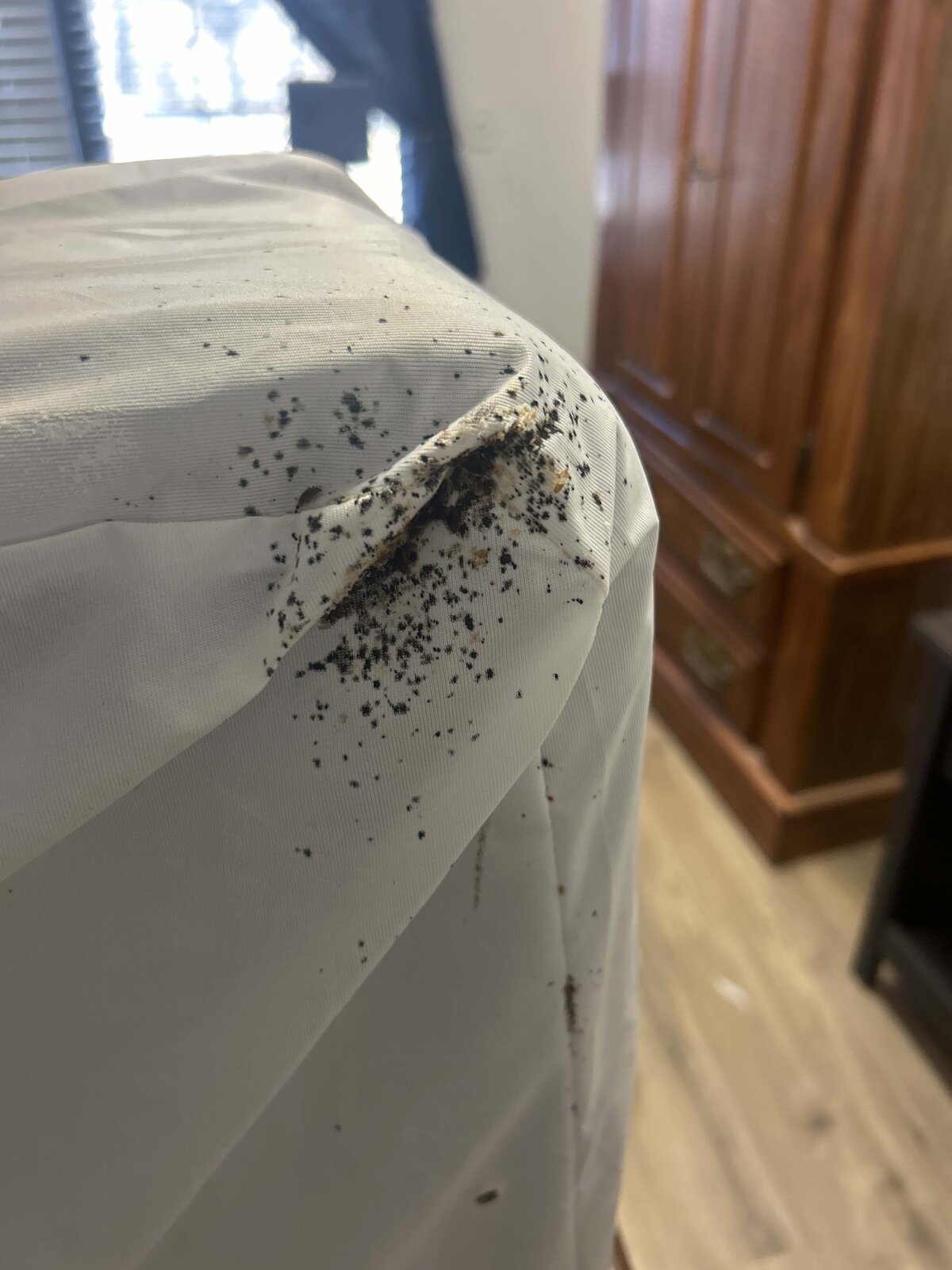
Bed Bug Staining — Mattress Corner
Fecal staining and shed skins found at a mattress corner, evidence of an established bed bug population.
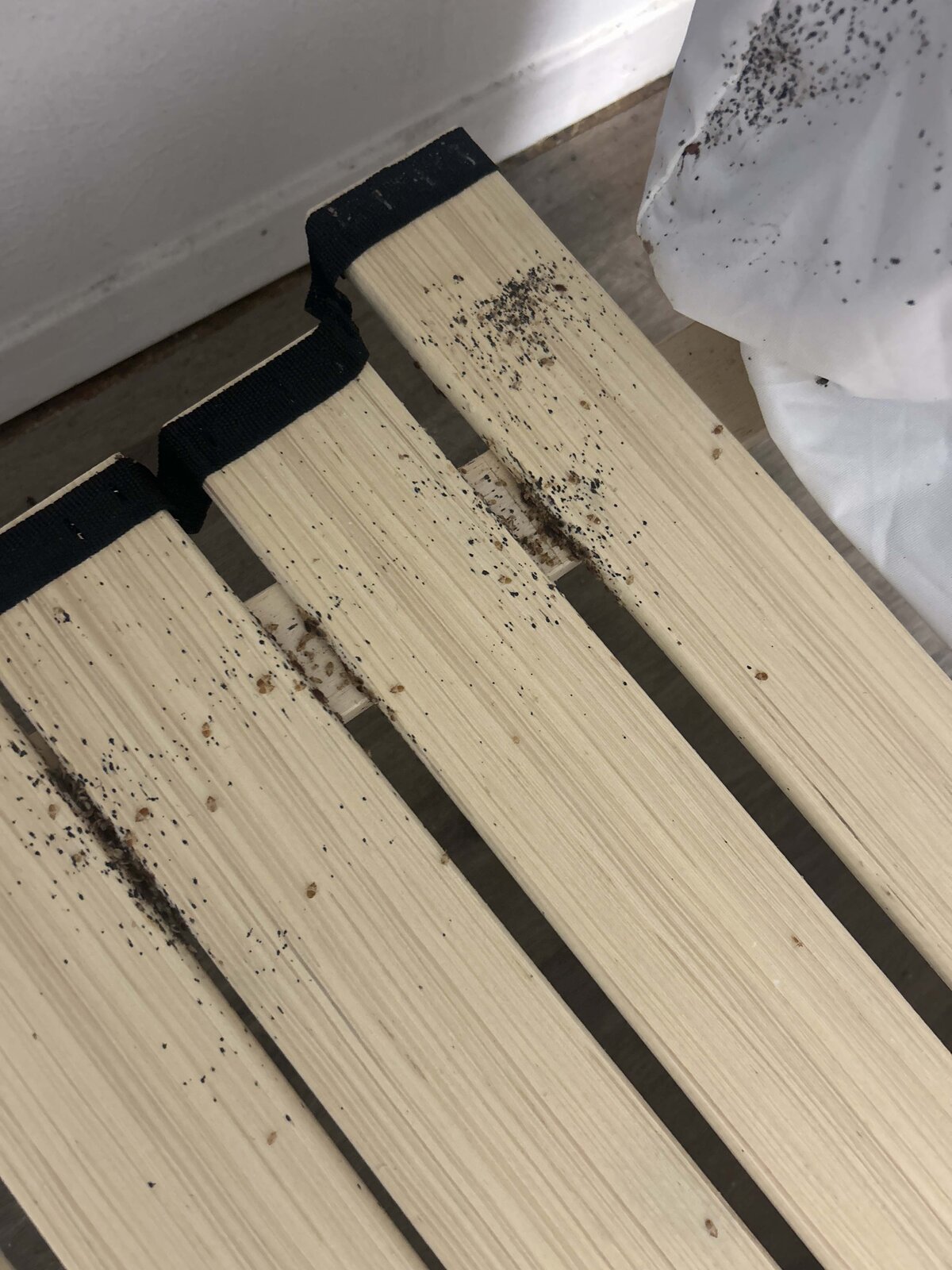
Bed Bug Activity — Bed Frame Slats
Bed bugs found nesting along bed frame slats. We treat every harborage point, not just the mattress.
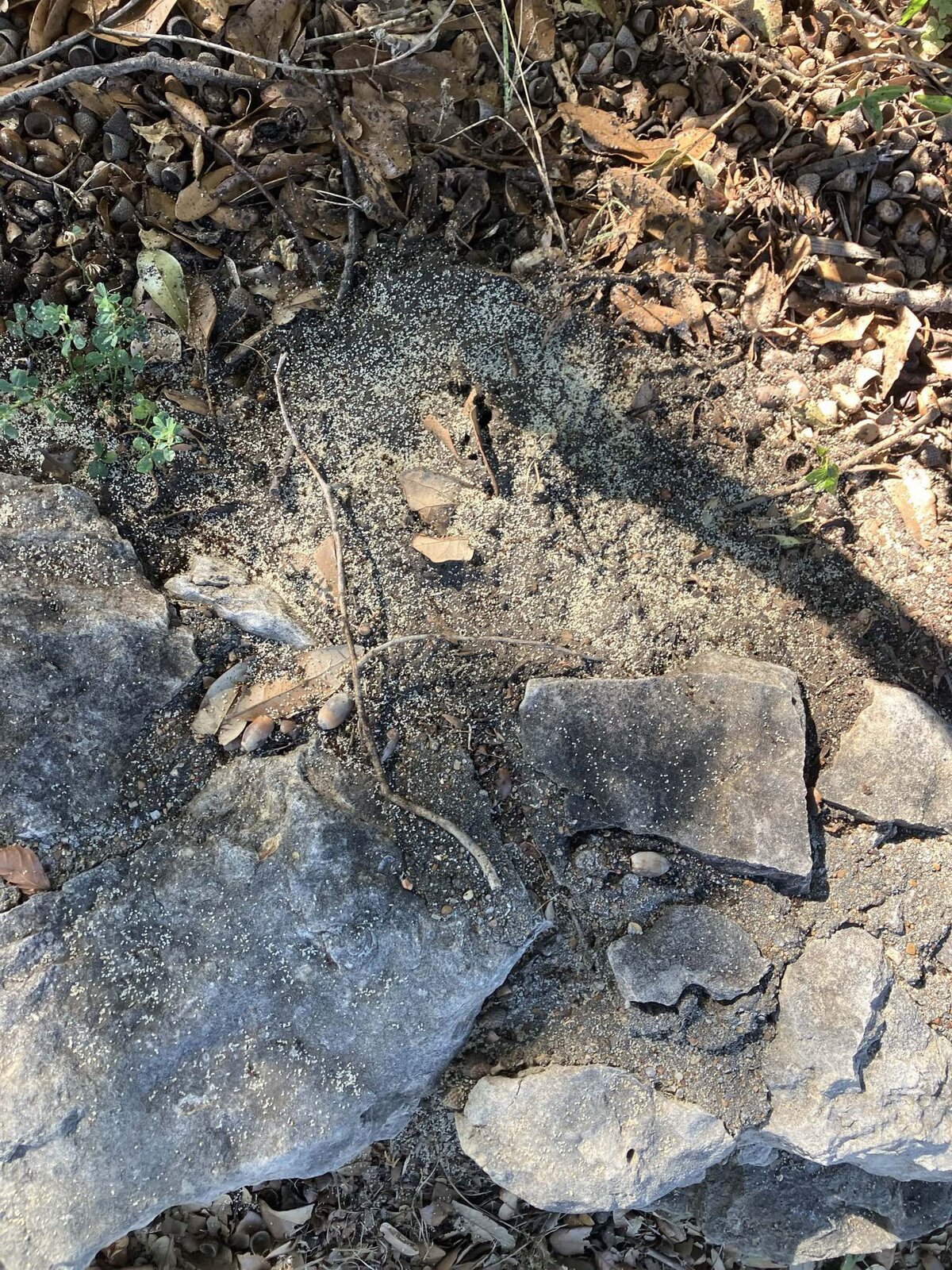
Ant Trail — Exterior Foundation
An ant trail running along an exterior foundation, tracing the path back to the colony.
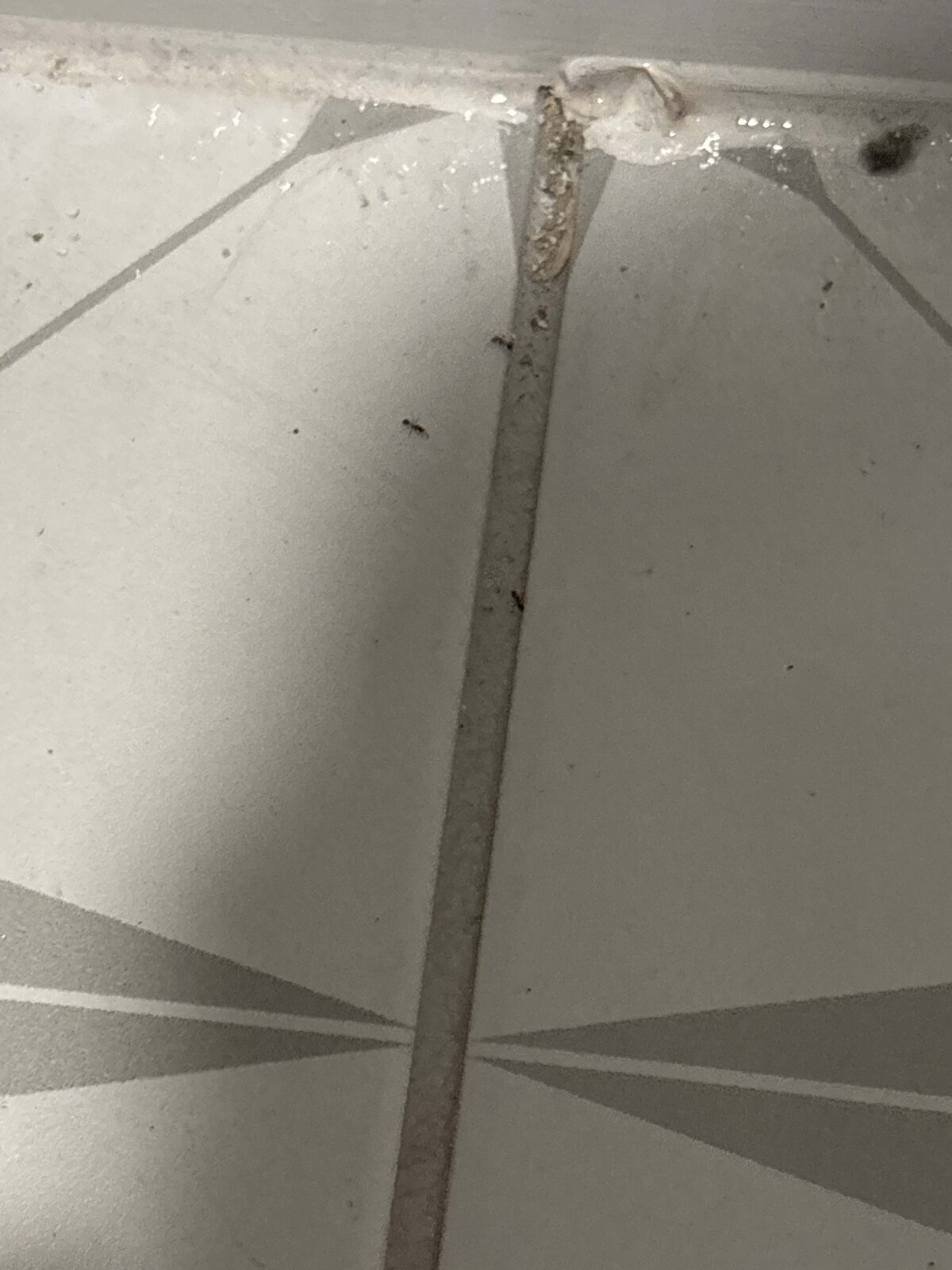
Ants Entering Through Tile Crack
Ants entering a home through a small crack in the tile grout — a common, easily overlooked entry point.
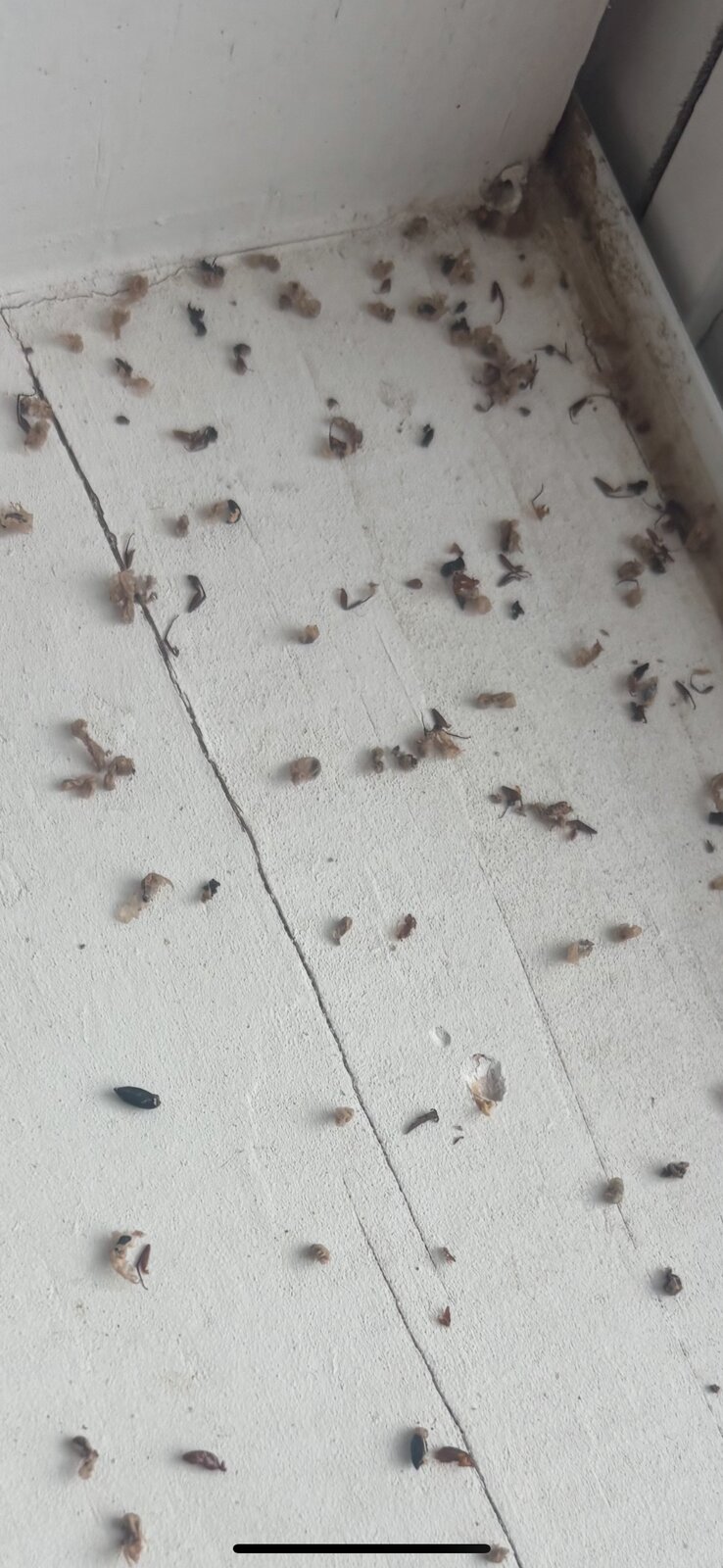
Ant Trail on Tile Floor
An extensive ant trail crossing a tile floor after finding a food source indoors.
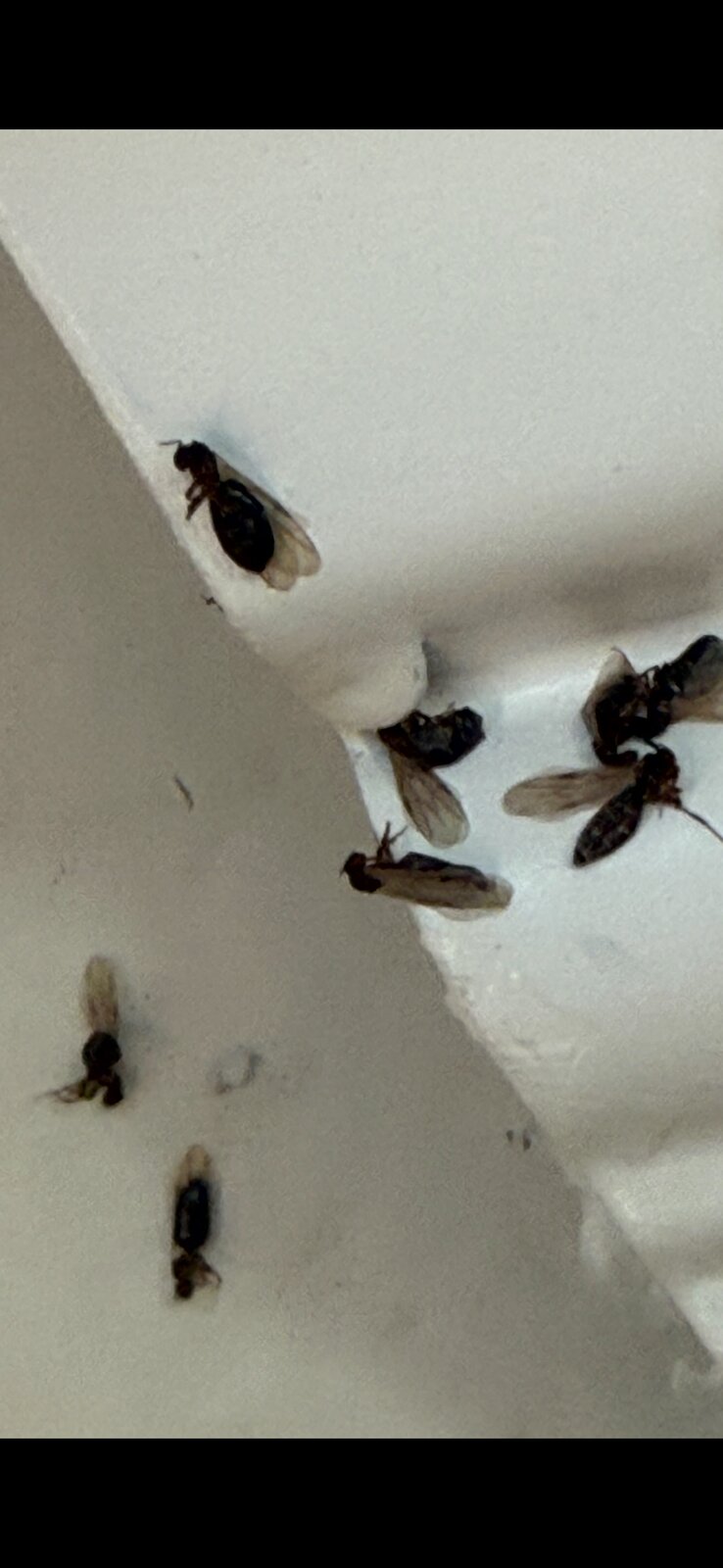
Ants Along Ceiling Corner
Ants traveling along a ceiling corner, often a sign of a nest hidden within the wall or roofline.
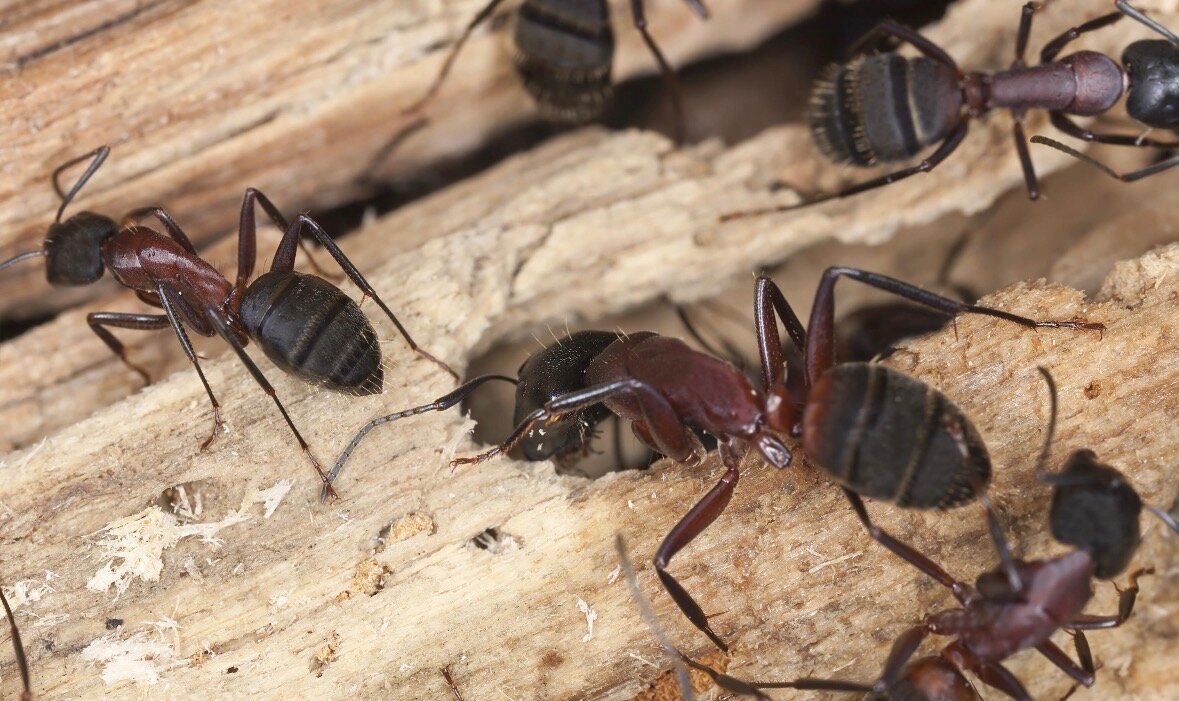
Carpenter Ants on Wood
Large carpenter ants found on exposed wood. Unlike other ants, carpenter ants tunnel through wood and can cause structural damage.
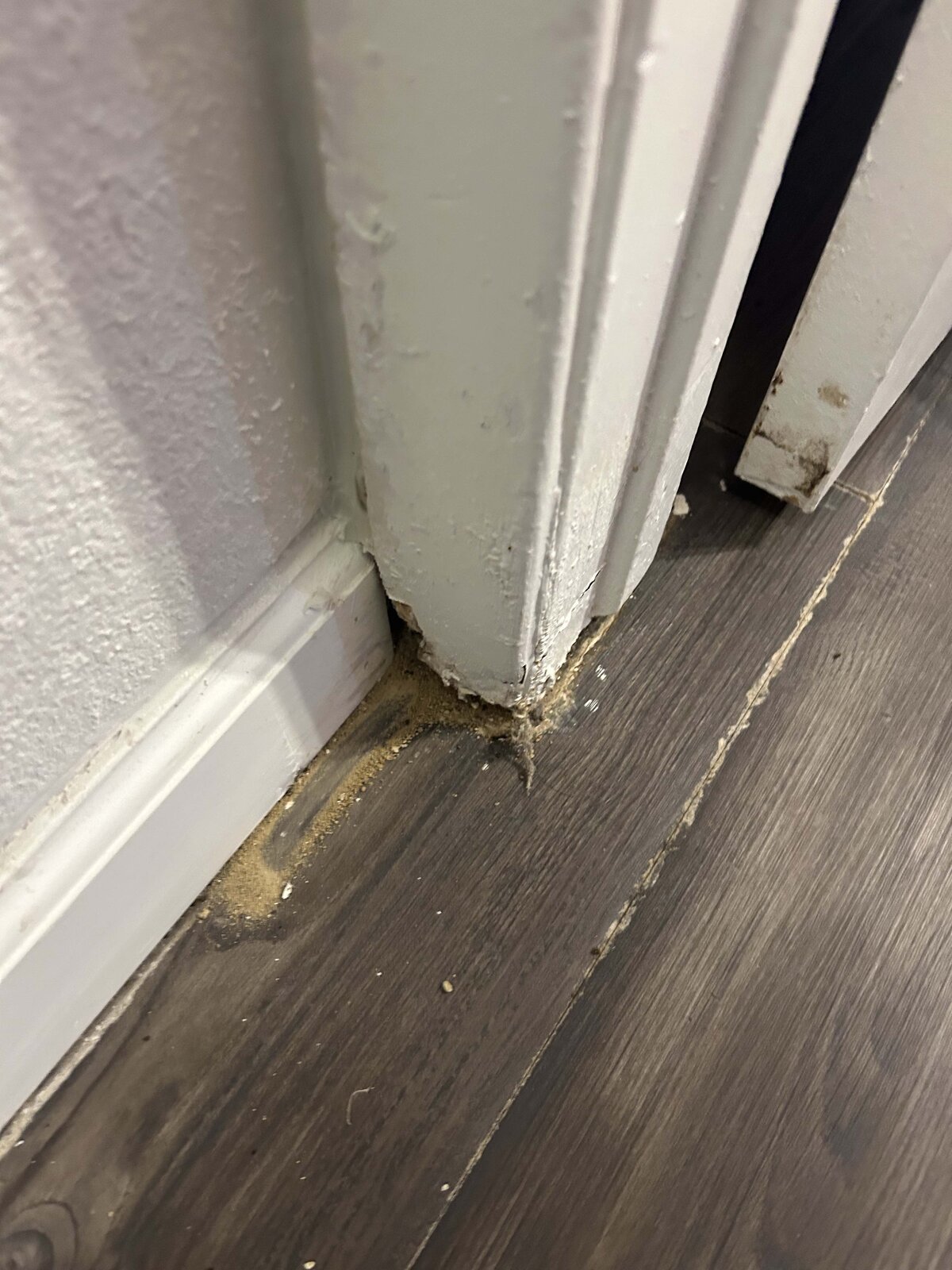
Carpenter Ant Frass at Door Frame
Wood shavings (frass) at the base of a door frame — a telltale sign of carpenter ants tunneling inside.
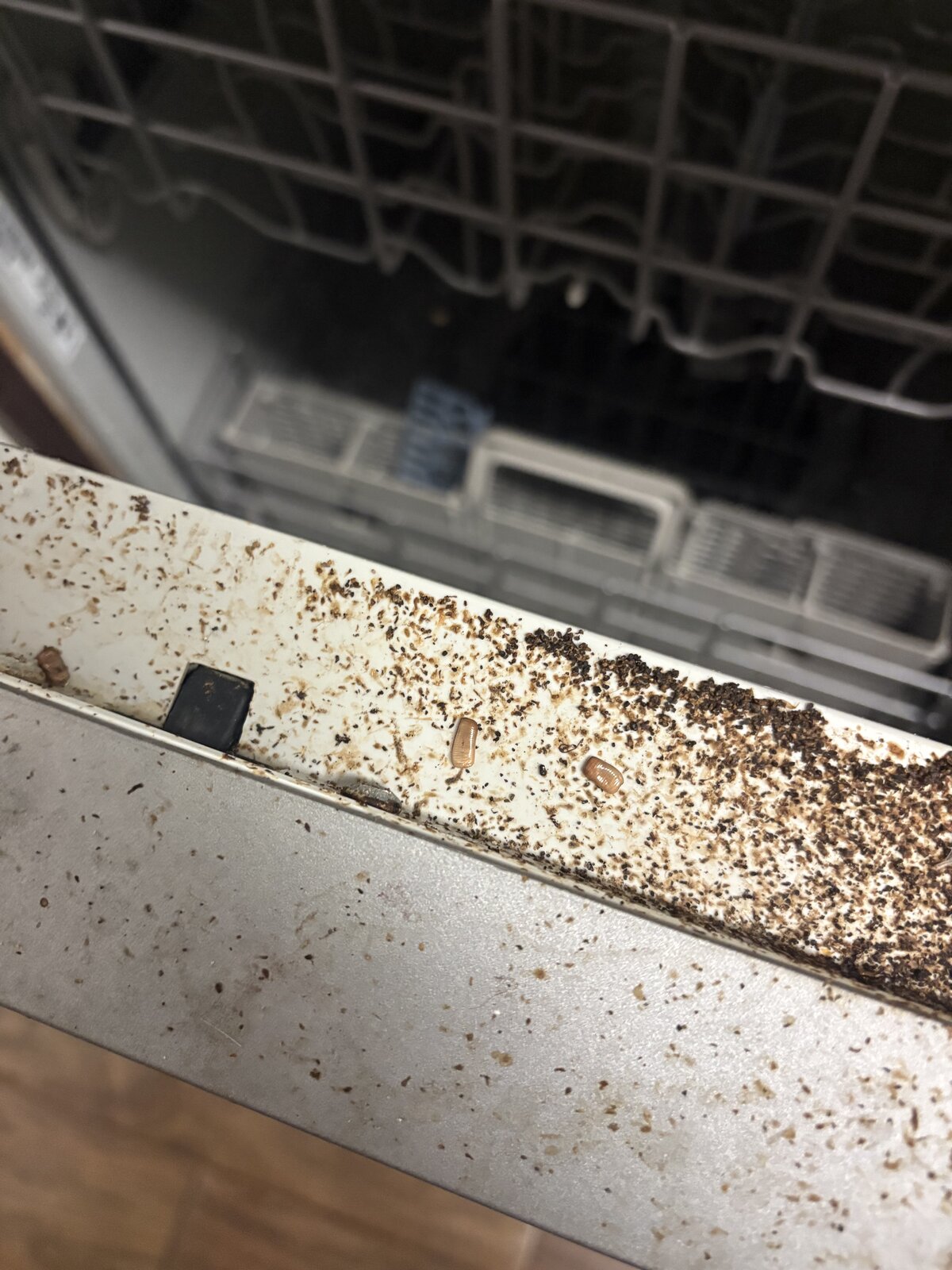
German Roach Infestation — Cabinet
A heavy German roach infestation found along a cabinet shelf edge. German roaches reproduce quickly and require targeted gel bait treatment to fully eliminate.
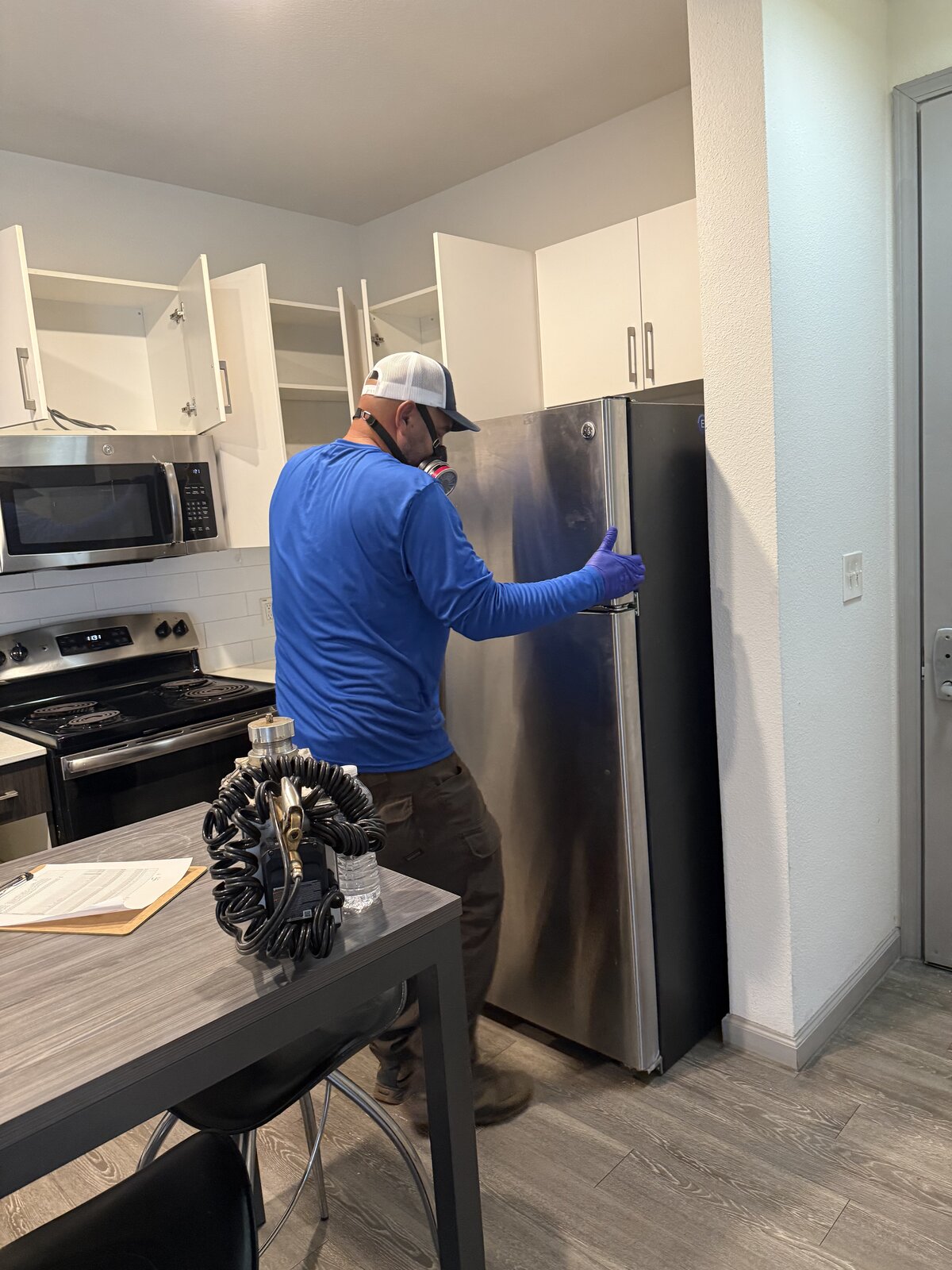
German Roach Treatment — Kitchen
Our technician treating kitchen cabinets during a German roach elimination service, targeting harborage points behind and inside cabinetry.
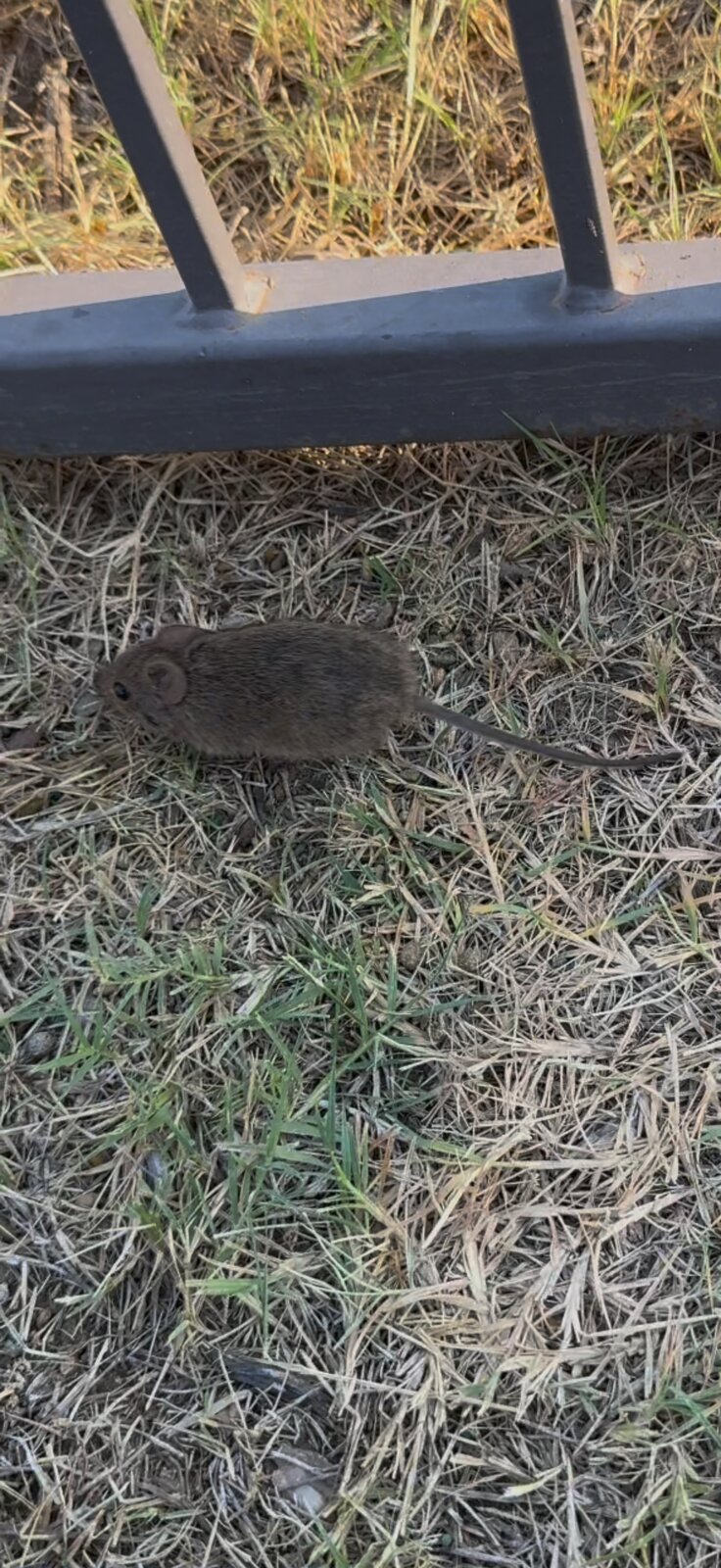
Rodent Found Outdoors
A rodent found outdoors near a home's perimeter during a routine inspection.
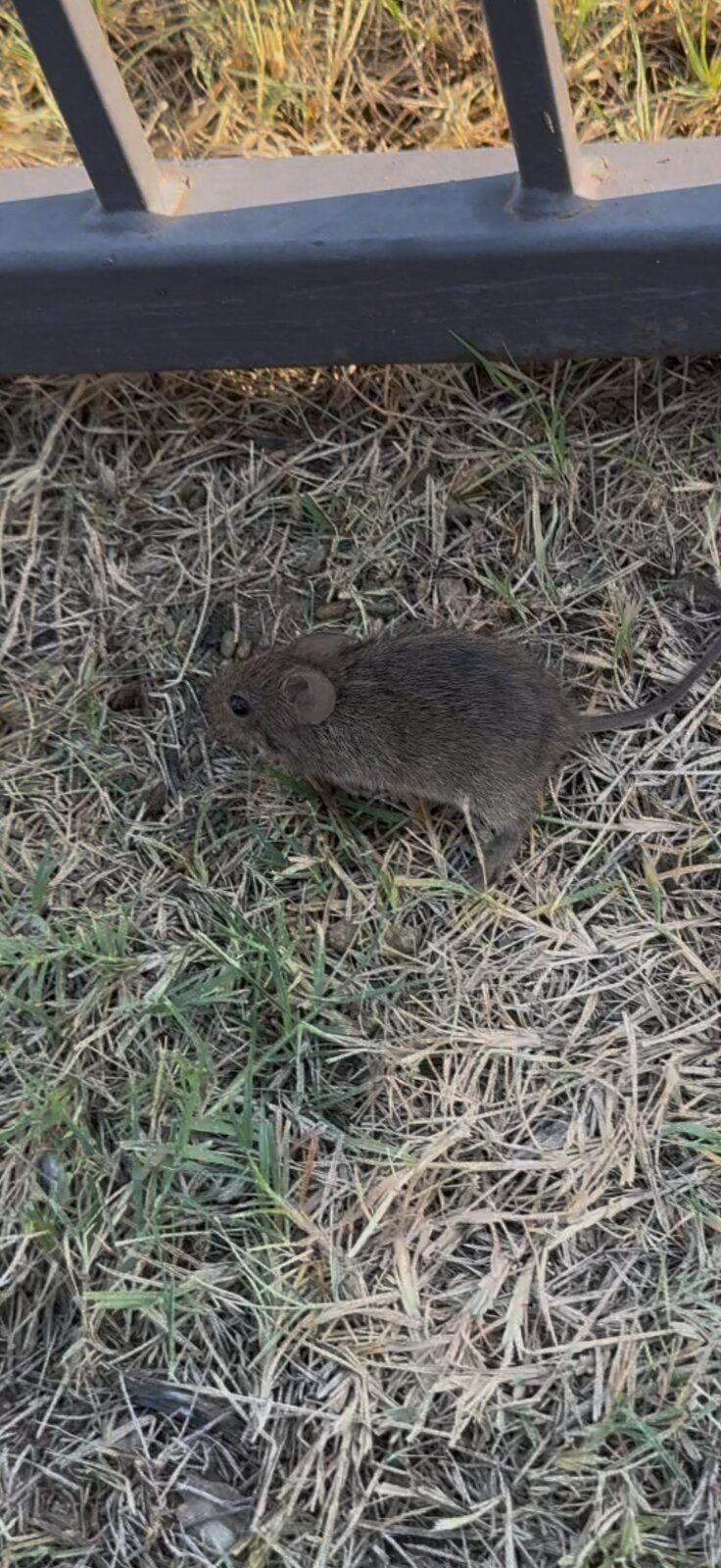
Rodent Found in Yard
Another rodent found in a yard, evidence of activity near the home that warranted a full exclusion assessment.
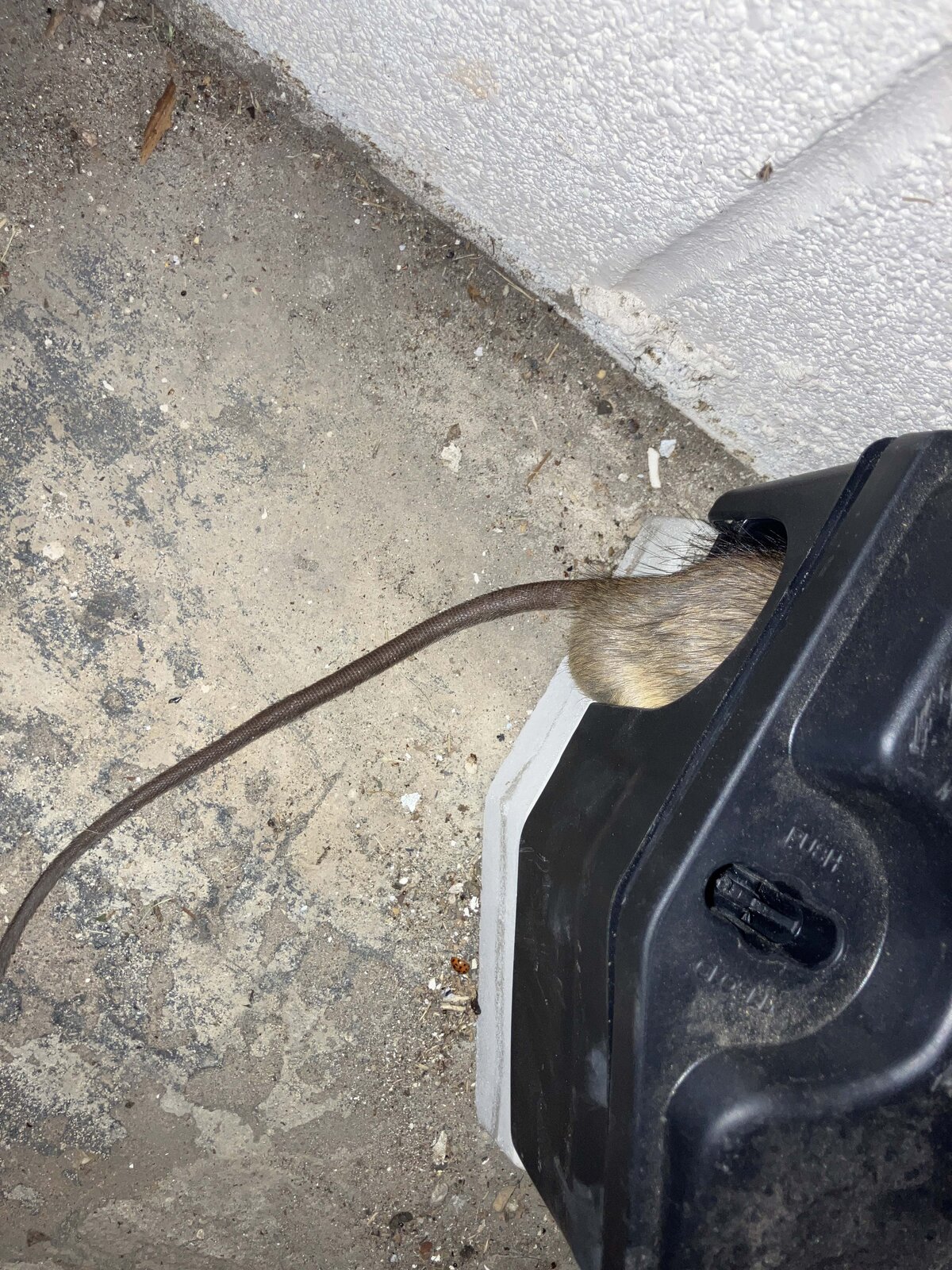
Rat Along Drain Pipe
A rat traveling along a drain pipe under a sink — rodents commonly use plumbing penetrations as entry points.
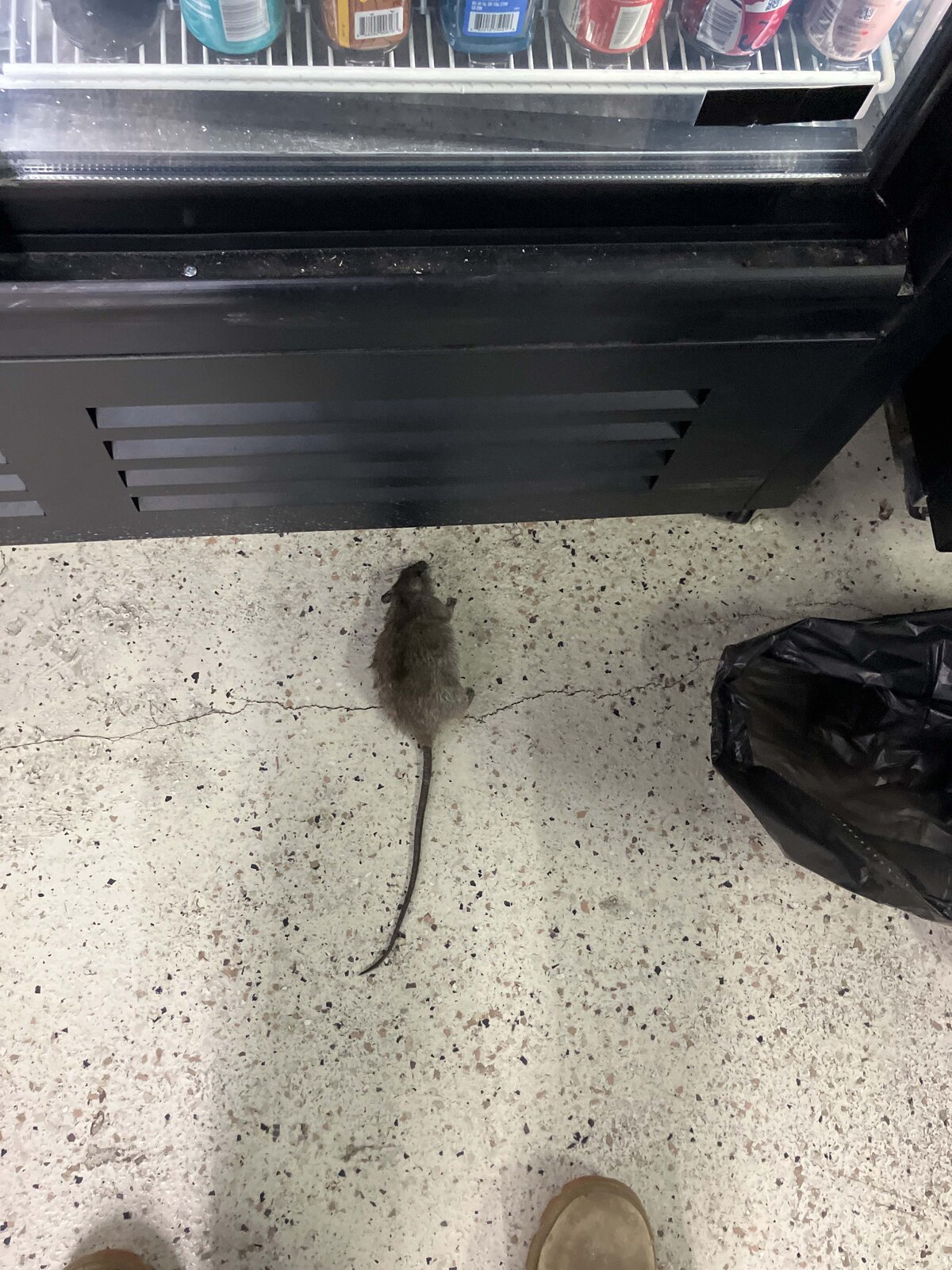
Rat Near Baseboard Vent
A rat spotted near a baseboard vent, one of many small gaps rodents exploit to get inside.
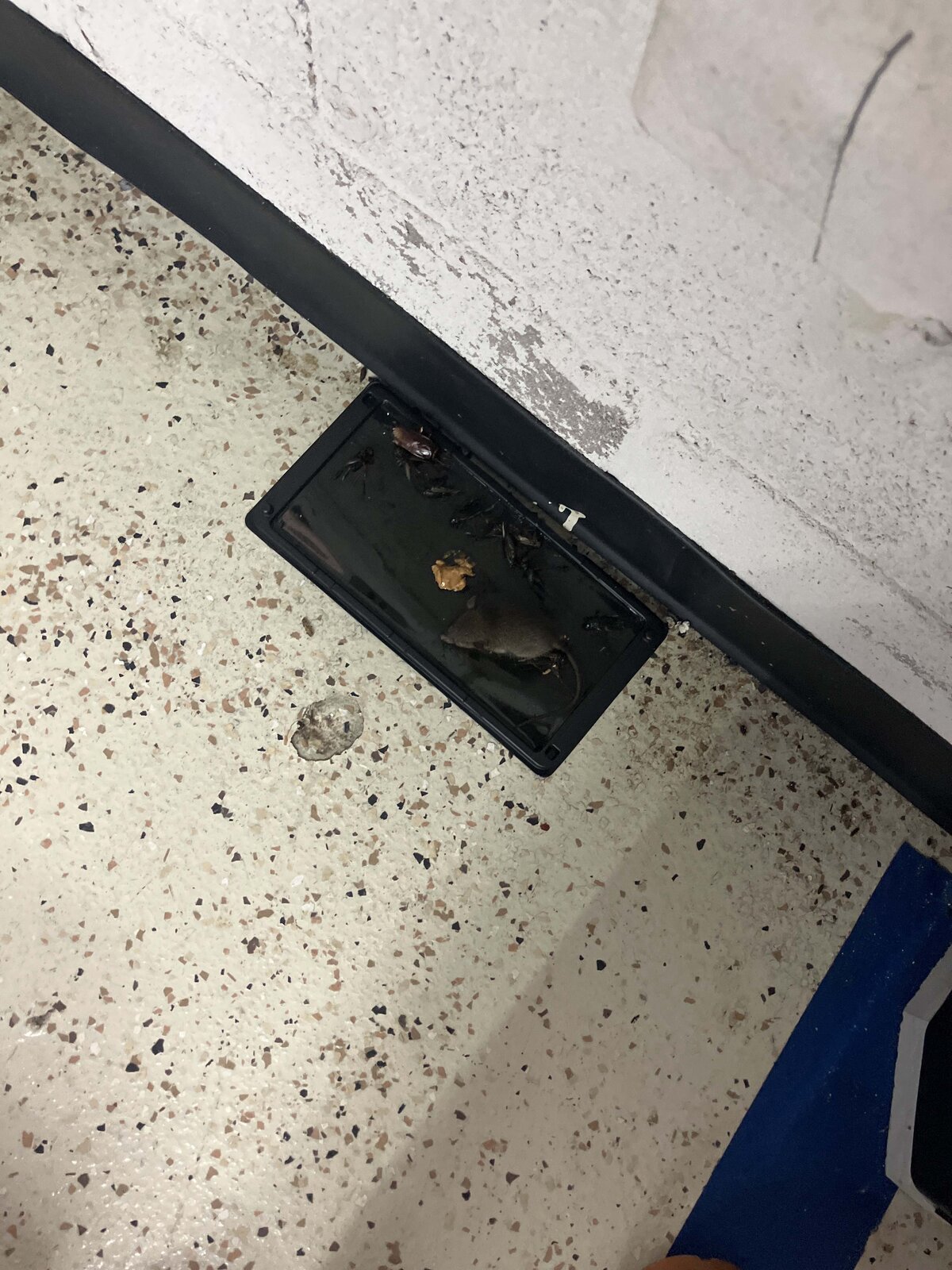
Rodent Caught in Trap
A rodent caught in a professionally placed trap as part of an active rodent control program.
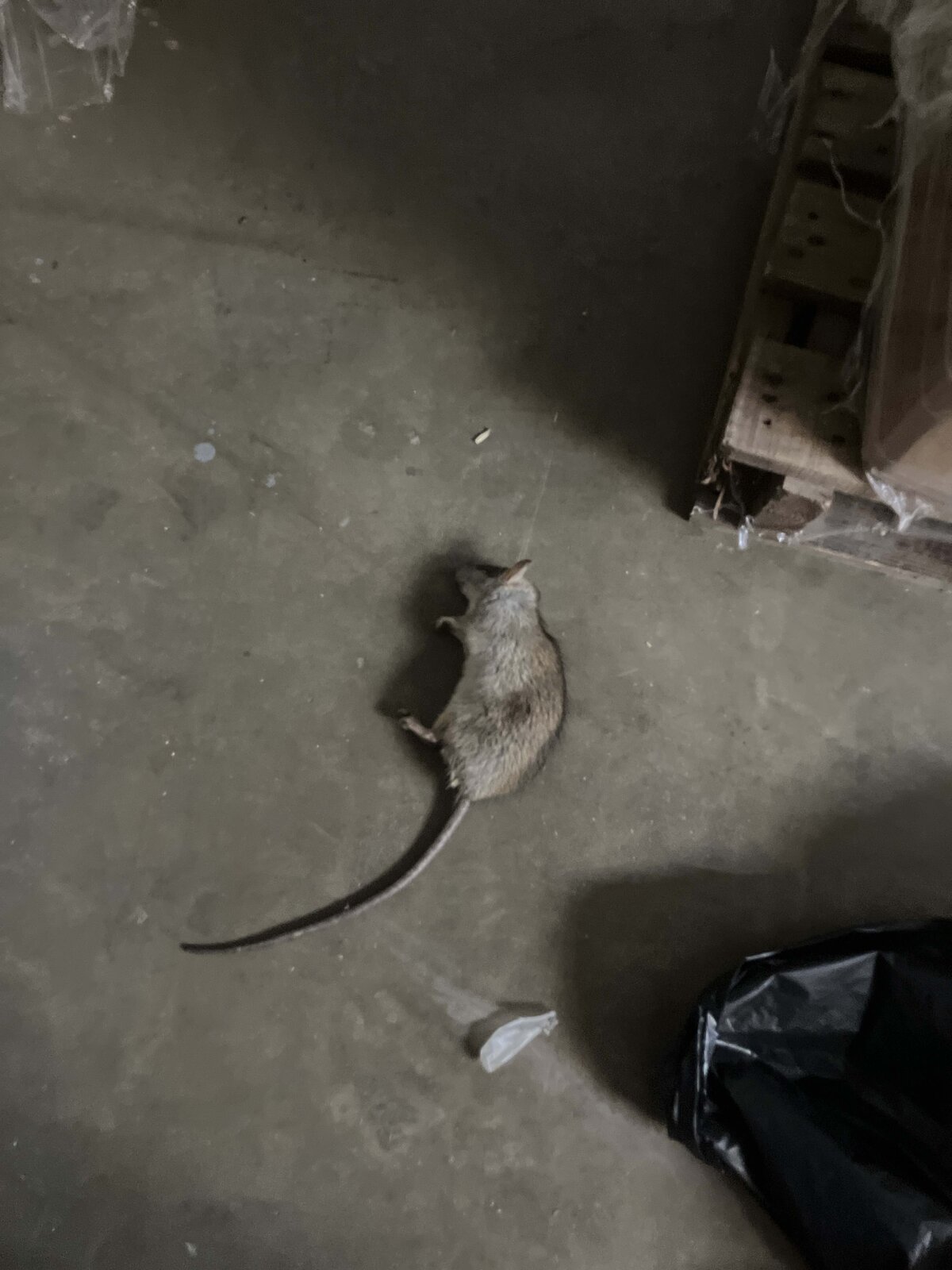
Rat on Warehouse Floor
A rat found on a warehouse floor. Commercial and industrial facilities need ongoing rodent monitoring to protect stored inventory.
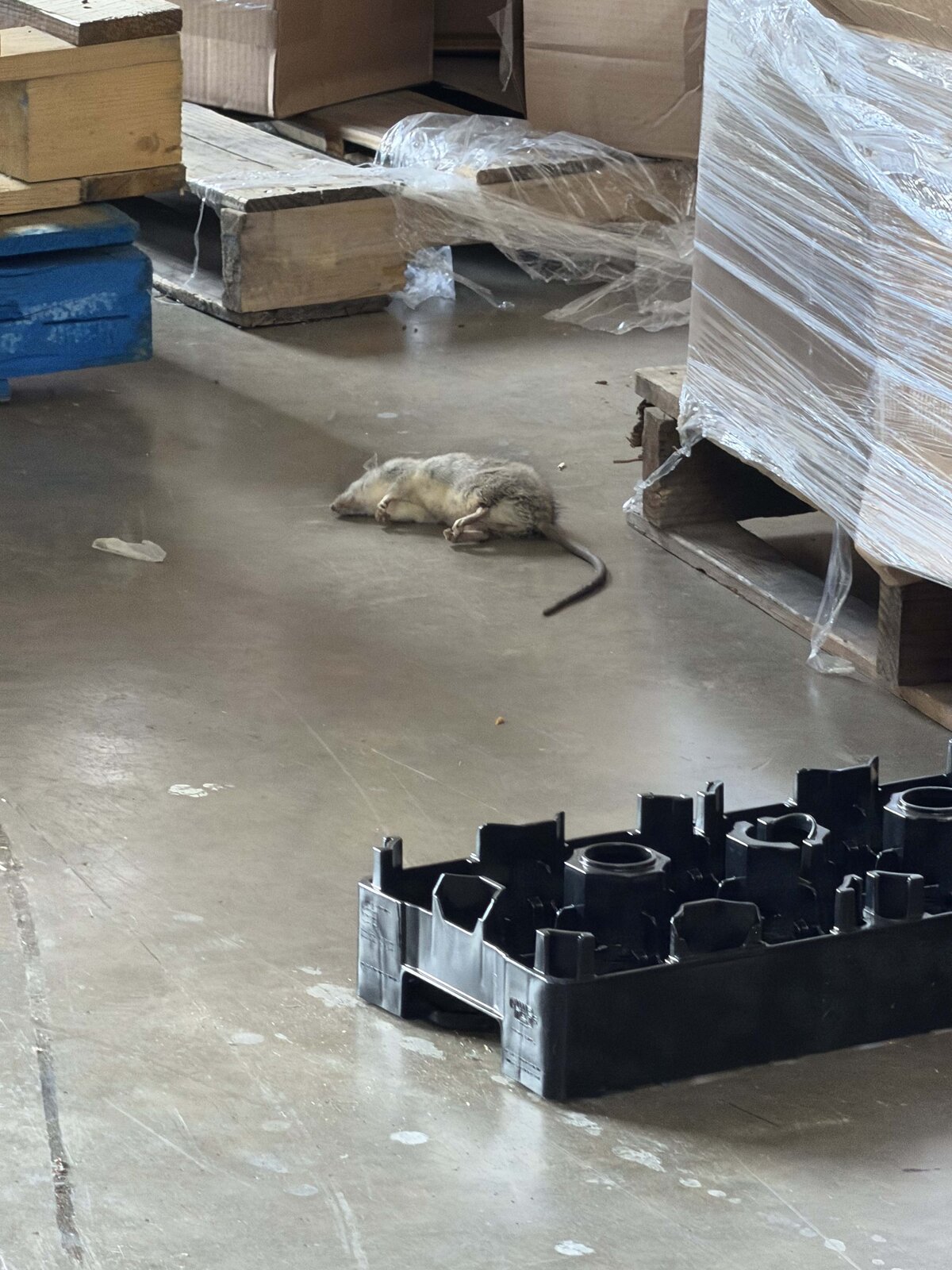
Multiple Rats — Commercial Facility
Multiple rats found active in a commercial facility, showing how quickly a rodent population can grow without professional intervention.
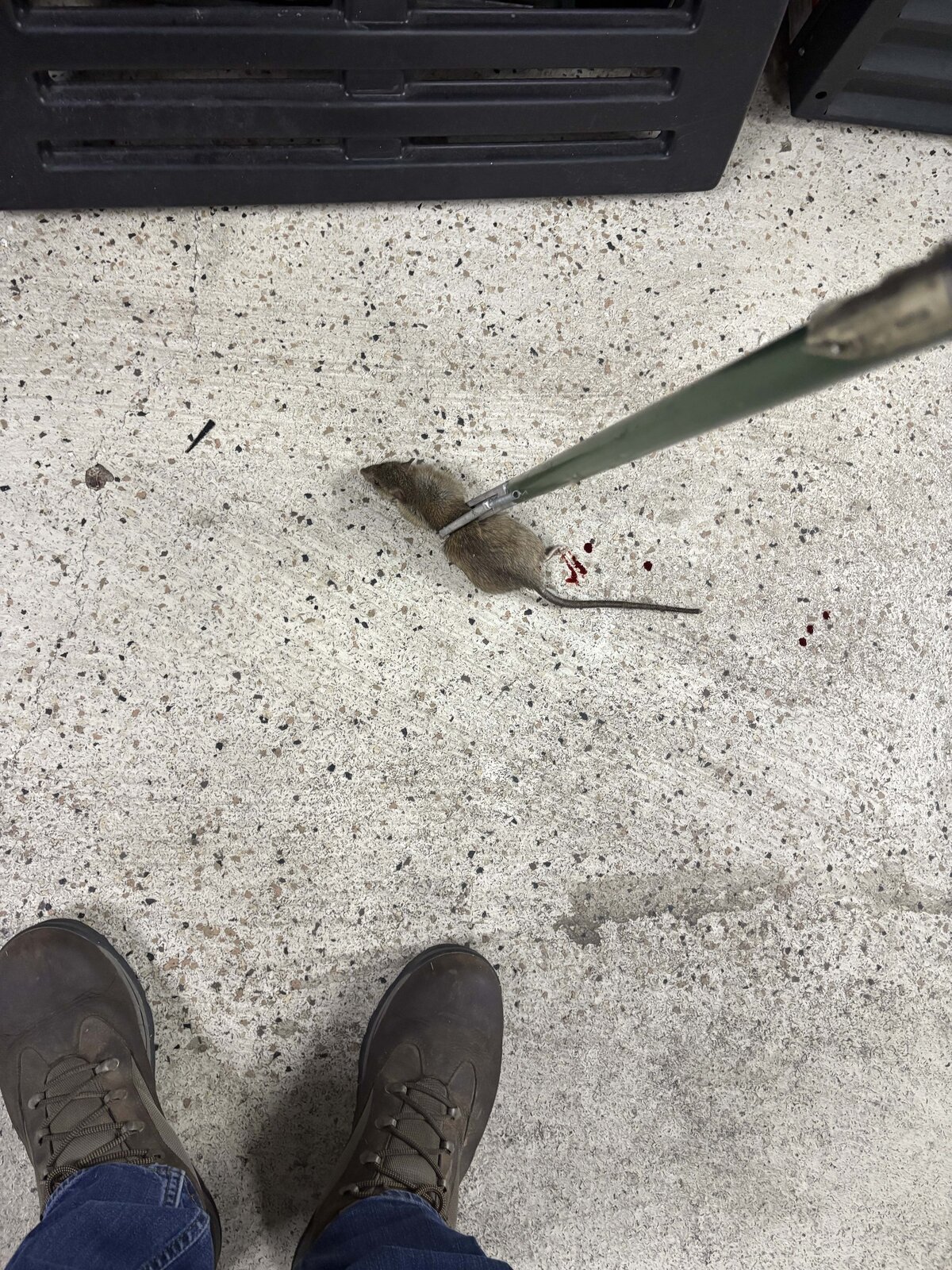
Rat Near Building Exterior
A rat found near a building's exterior wall, seeking shelter and searching for entry points.
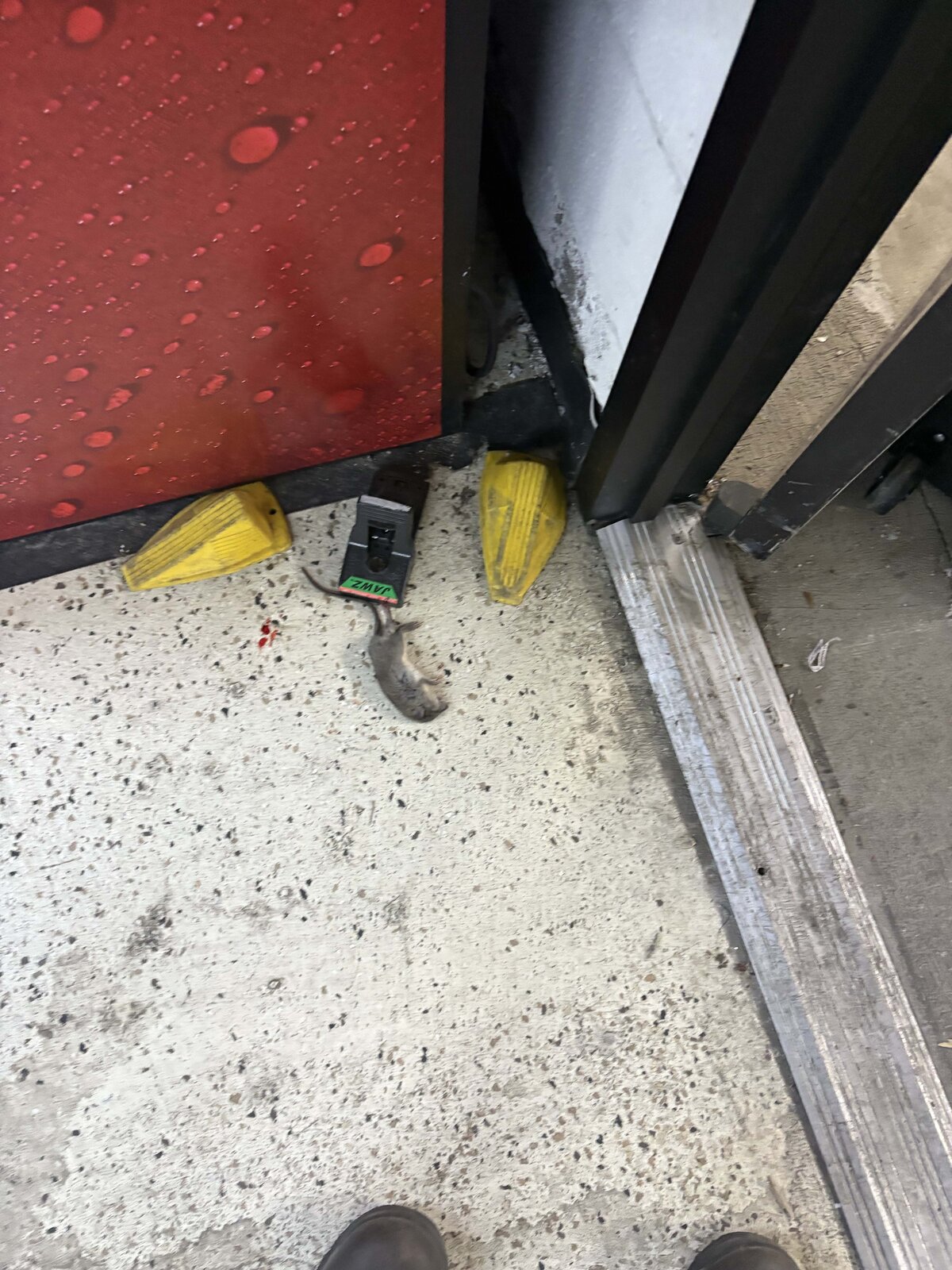
Rodent Trap Placement
A professionally placed rodent trap at a doorway threshold, part of a monitored exclusion program.
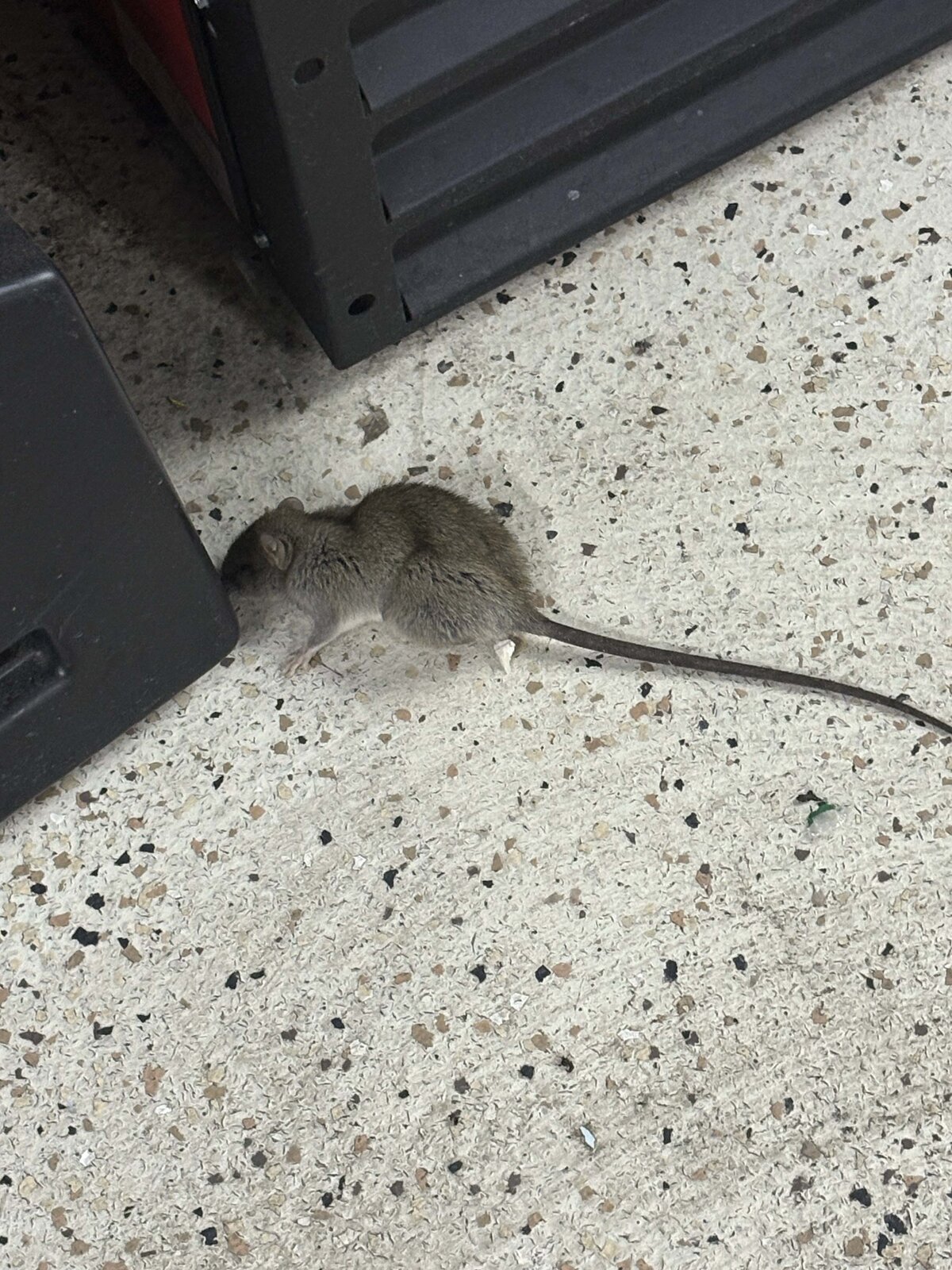
Rat Behind Cabinet Toe-Kick
A rat found behind a cabinet toe-kick — a hidden void that rodents frequently use to travel undetected through a home.
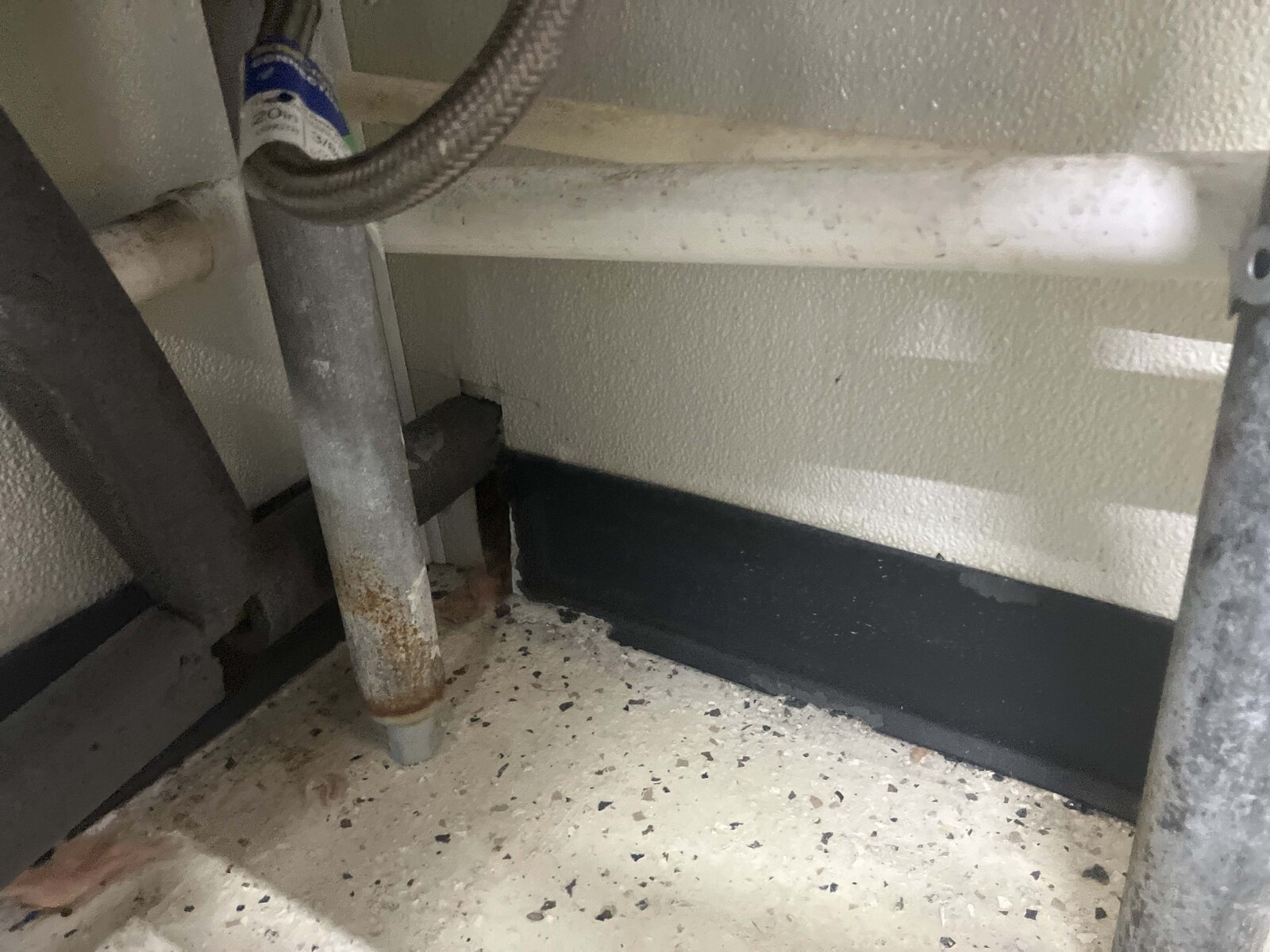
Rat Along Utility Pipe
A rat traveling along a utility pipe beneath a sink, another common indoor rodent pathway.
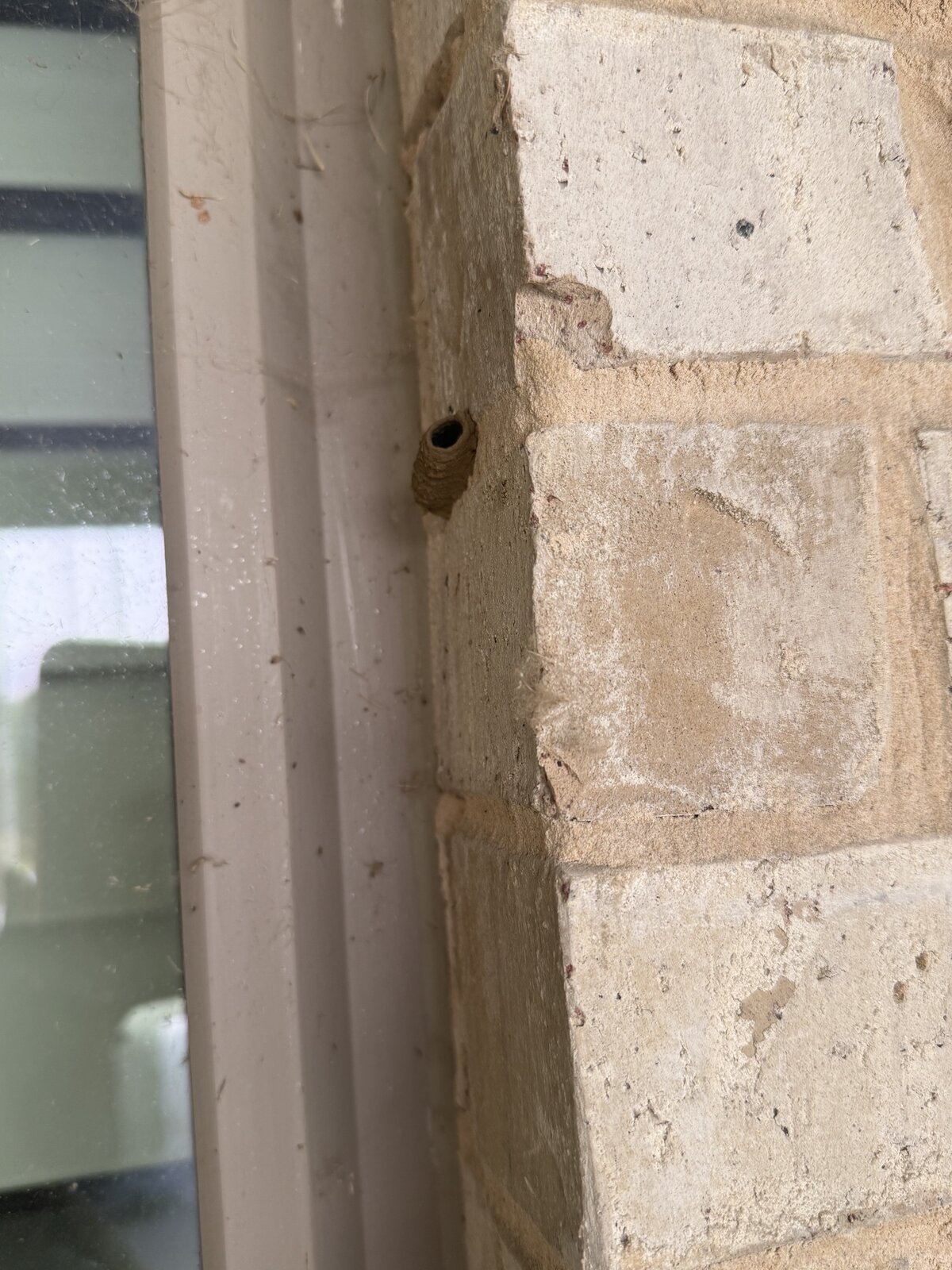
Wasp Nest Holes in Brick
Nesting holes bored into a brick column, a sign of wasp or bee activity that needs professional removal.
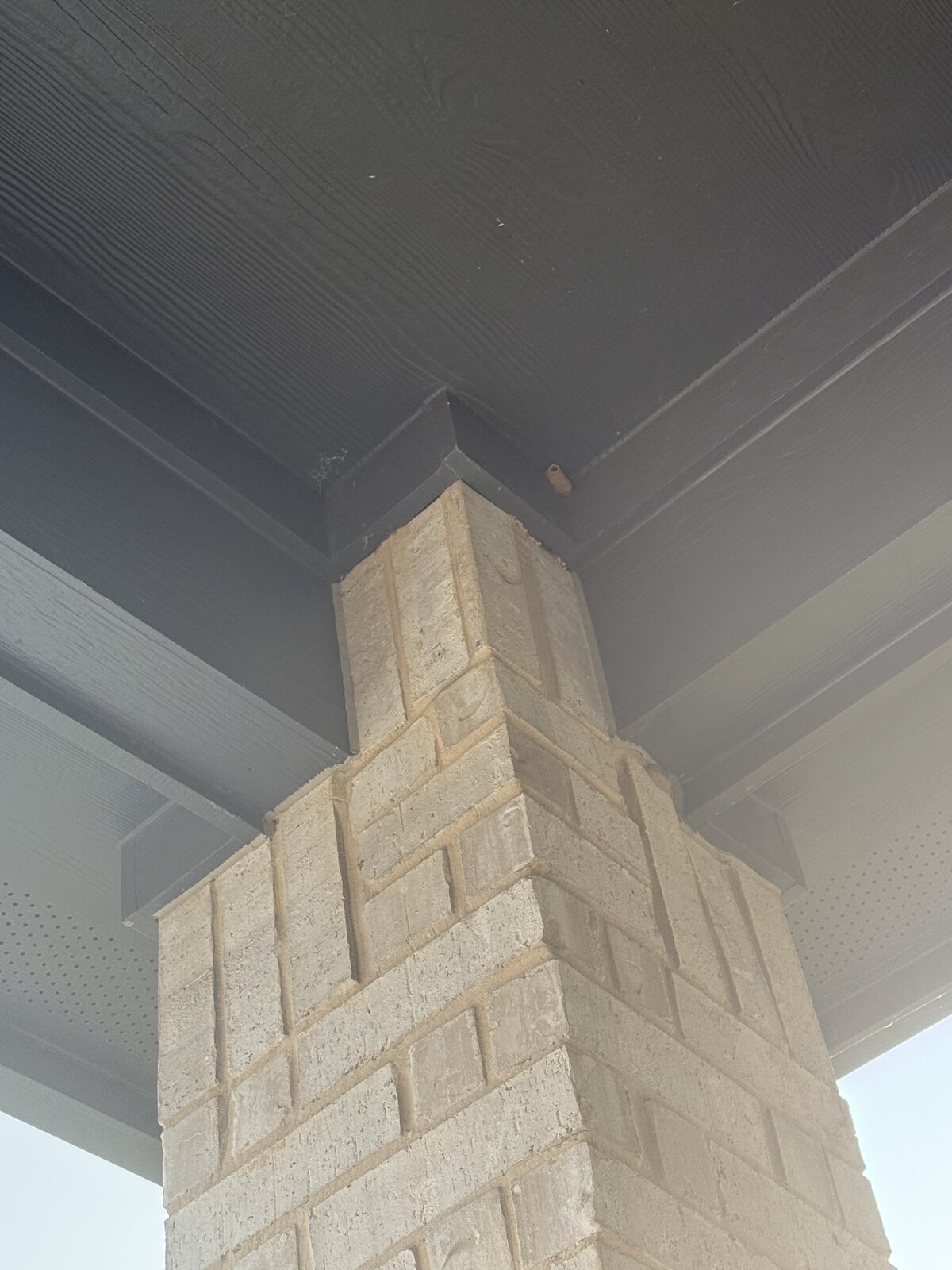
Wasp Nest Damage — Column
A closer look at nest damage on a brick support column, showing multiple entry holes from repeated nesting.
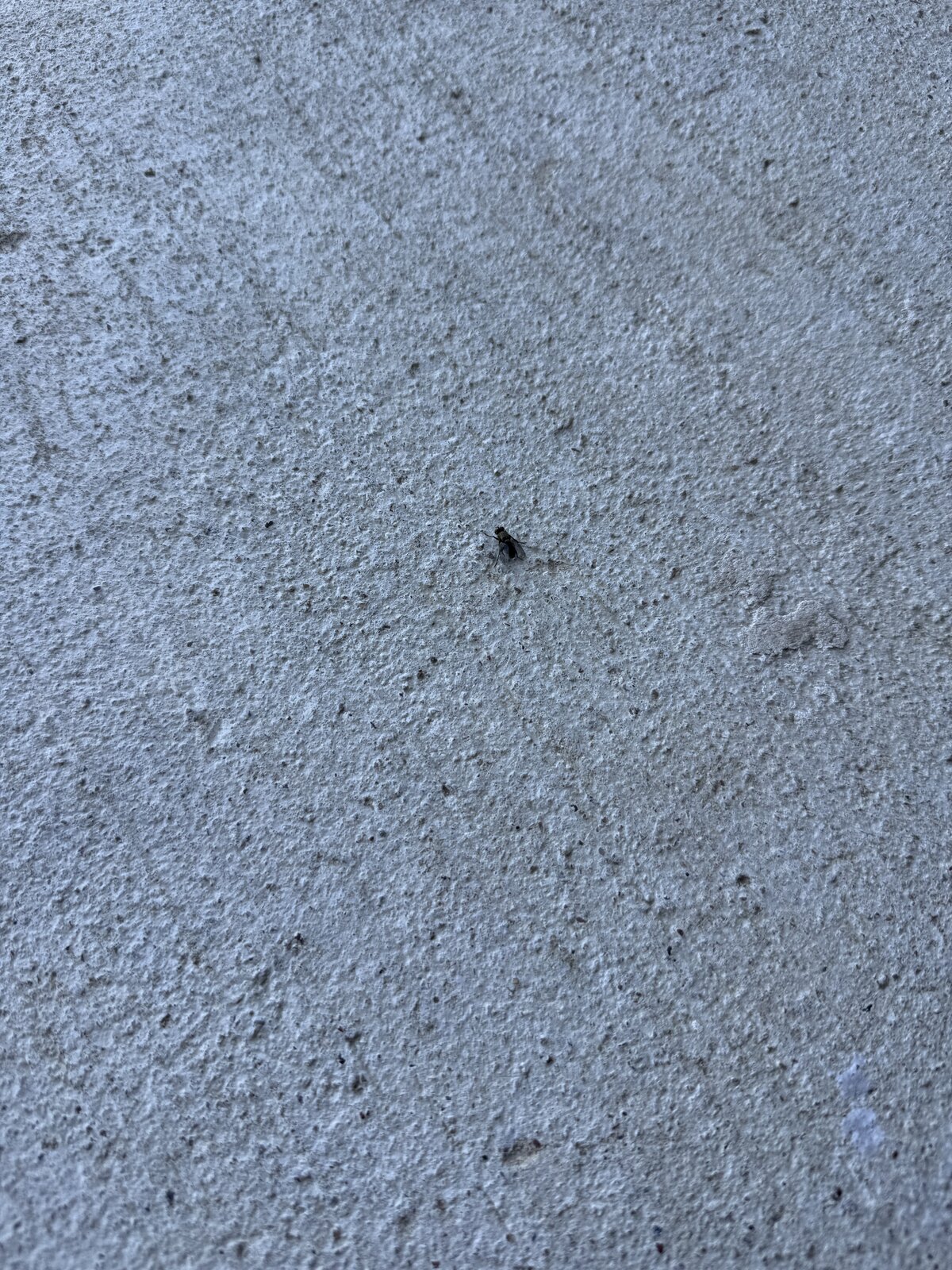
Mosquito on Concrete
A mosquito resting on a concrete driveway during peak activity season.
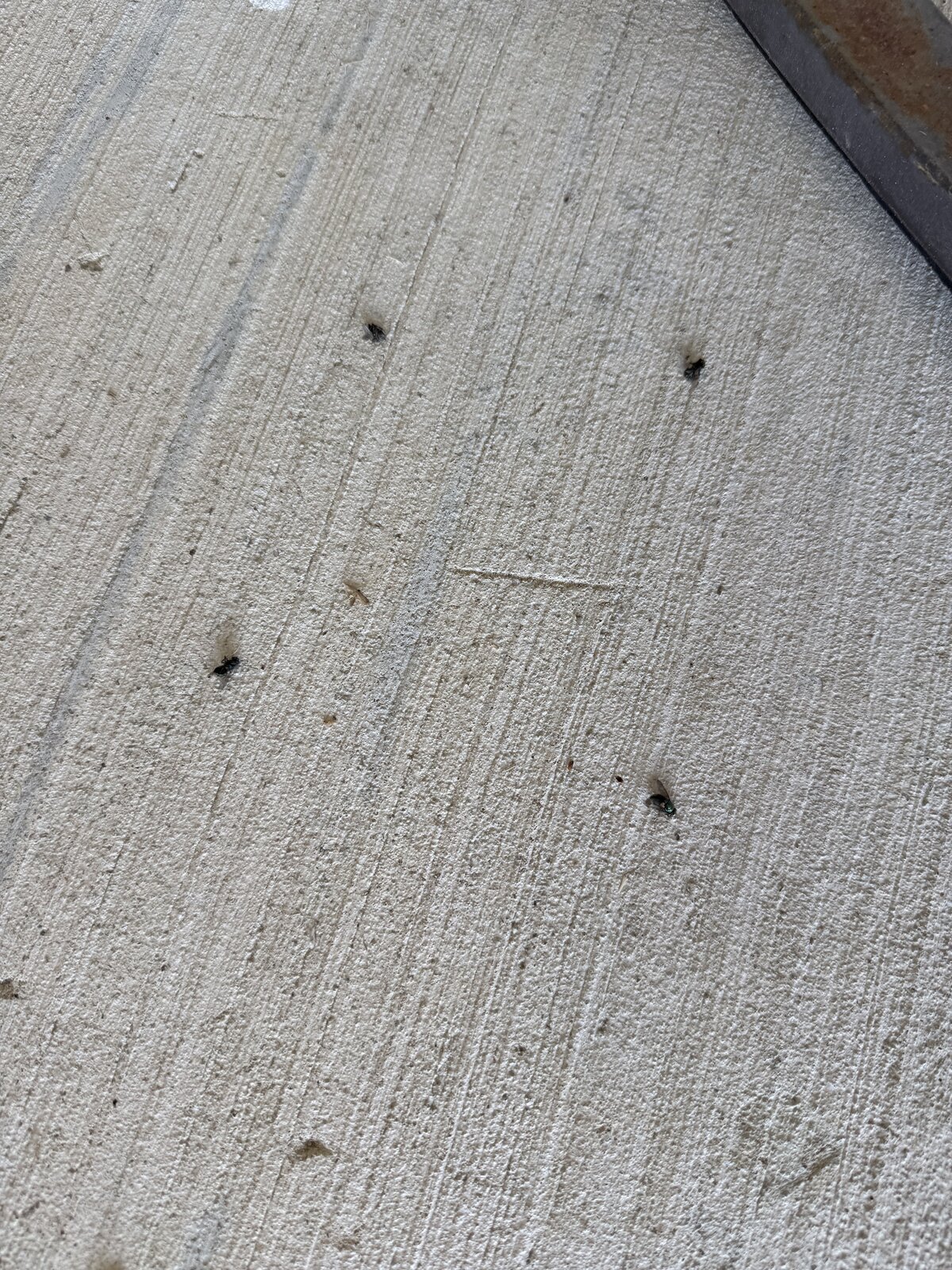
Mosquitoes Resting on Driveway
Several mosquitoes resting on a driveway surface — our yard misting treatments target resting and breeding areas like this.
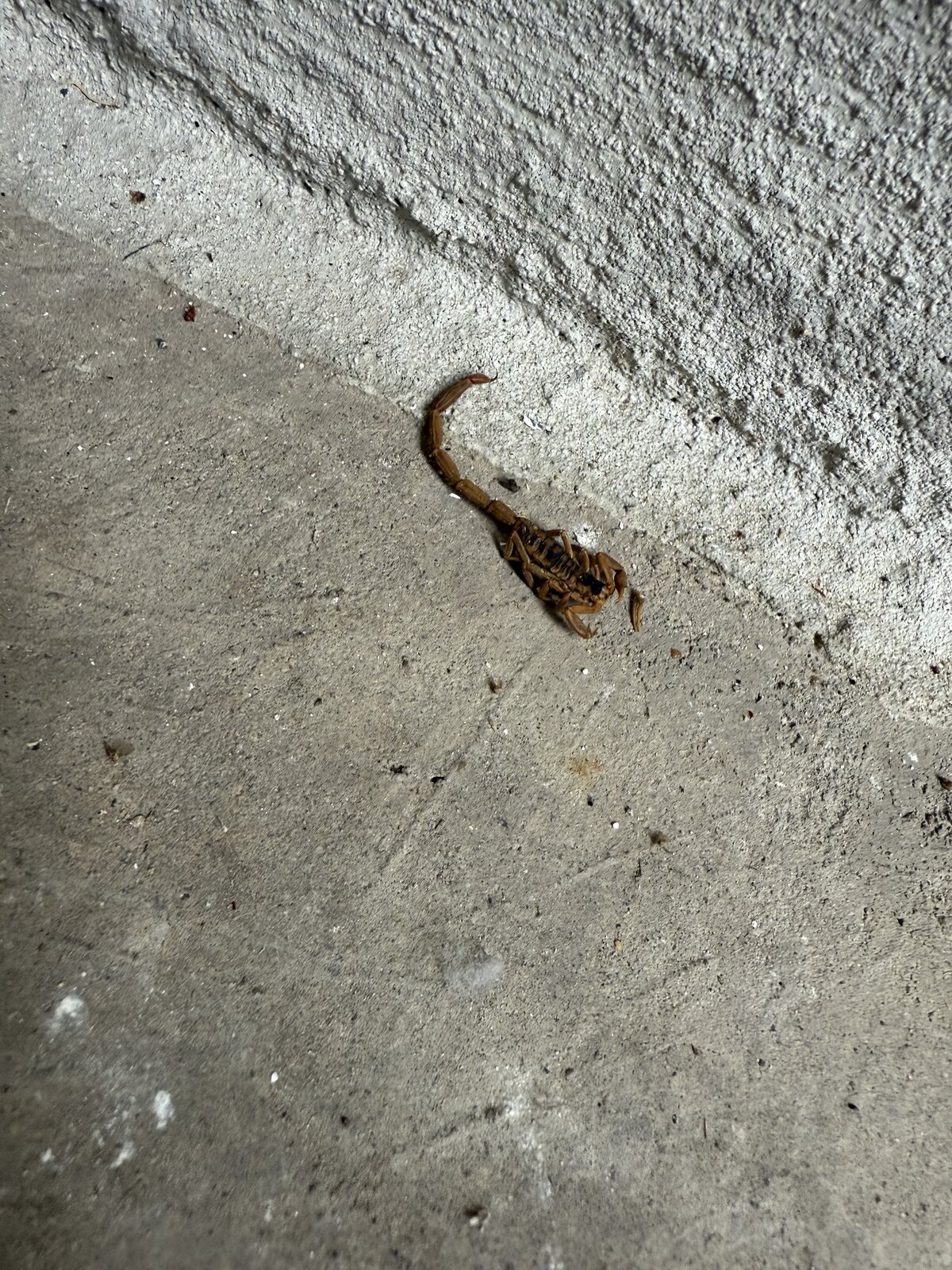
Scorpion Found on Patio
A scorpion found on a patio at night. Scorpions are common in North Texas and can deliver a painful sting.
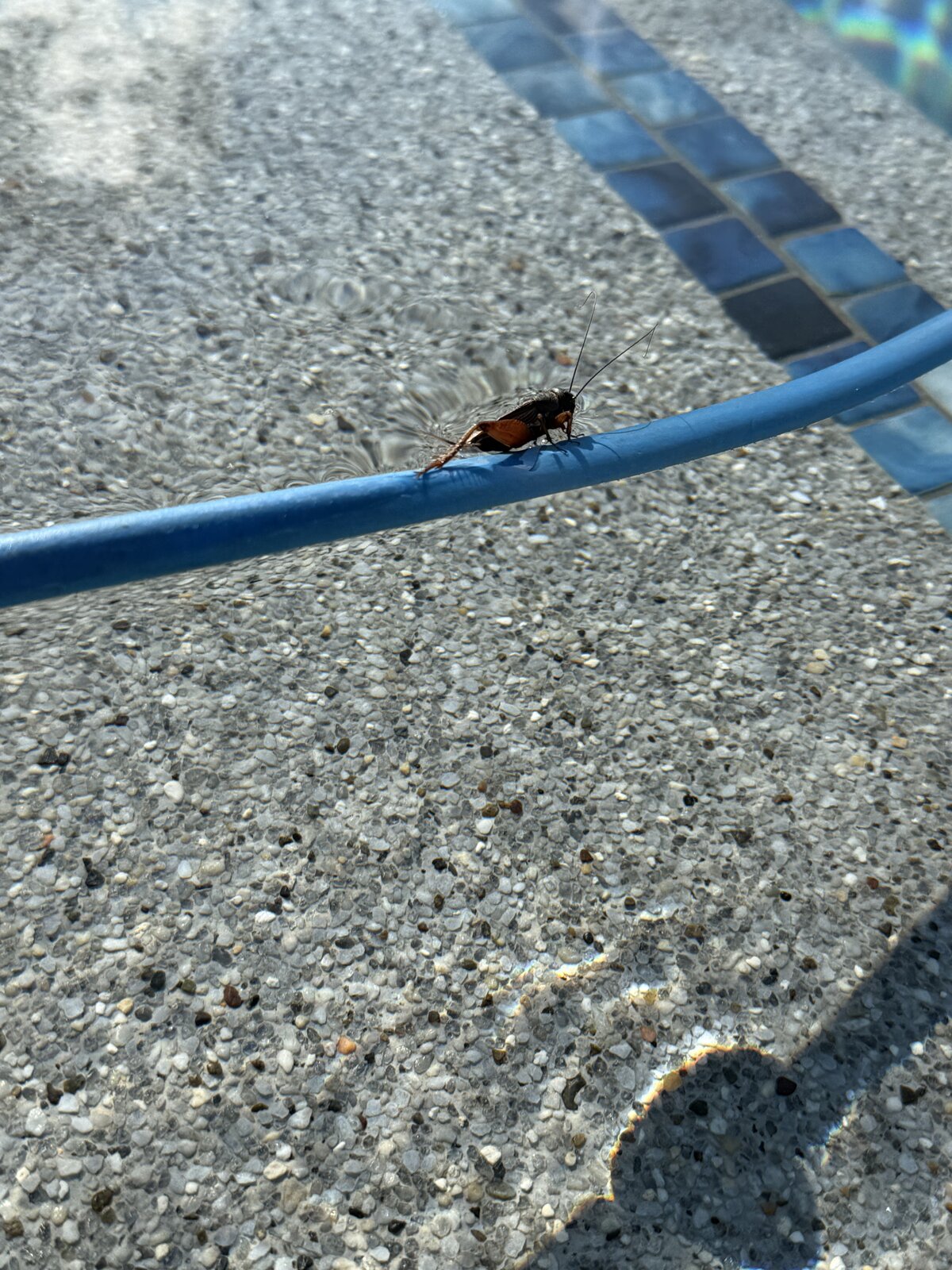
Cricket Near Pool Edge
A cricket found near a pool edge, one of many entry points crickets use to move from the yard into the home.
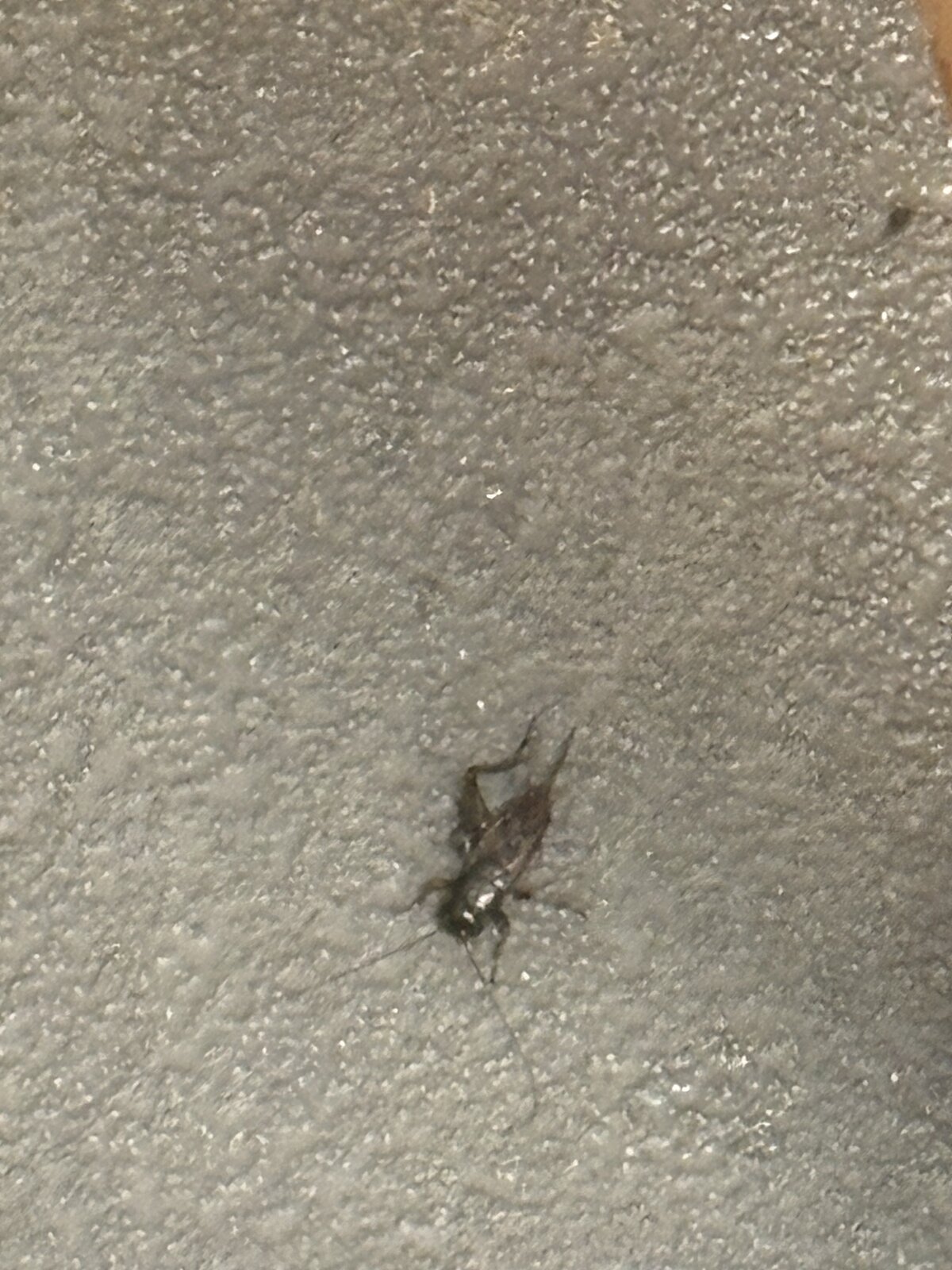
Cricket Close-Up
A close-up of a cricket found indoors during a fall pest inspection, when cricket activity peaks in North Texas.
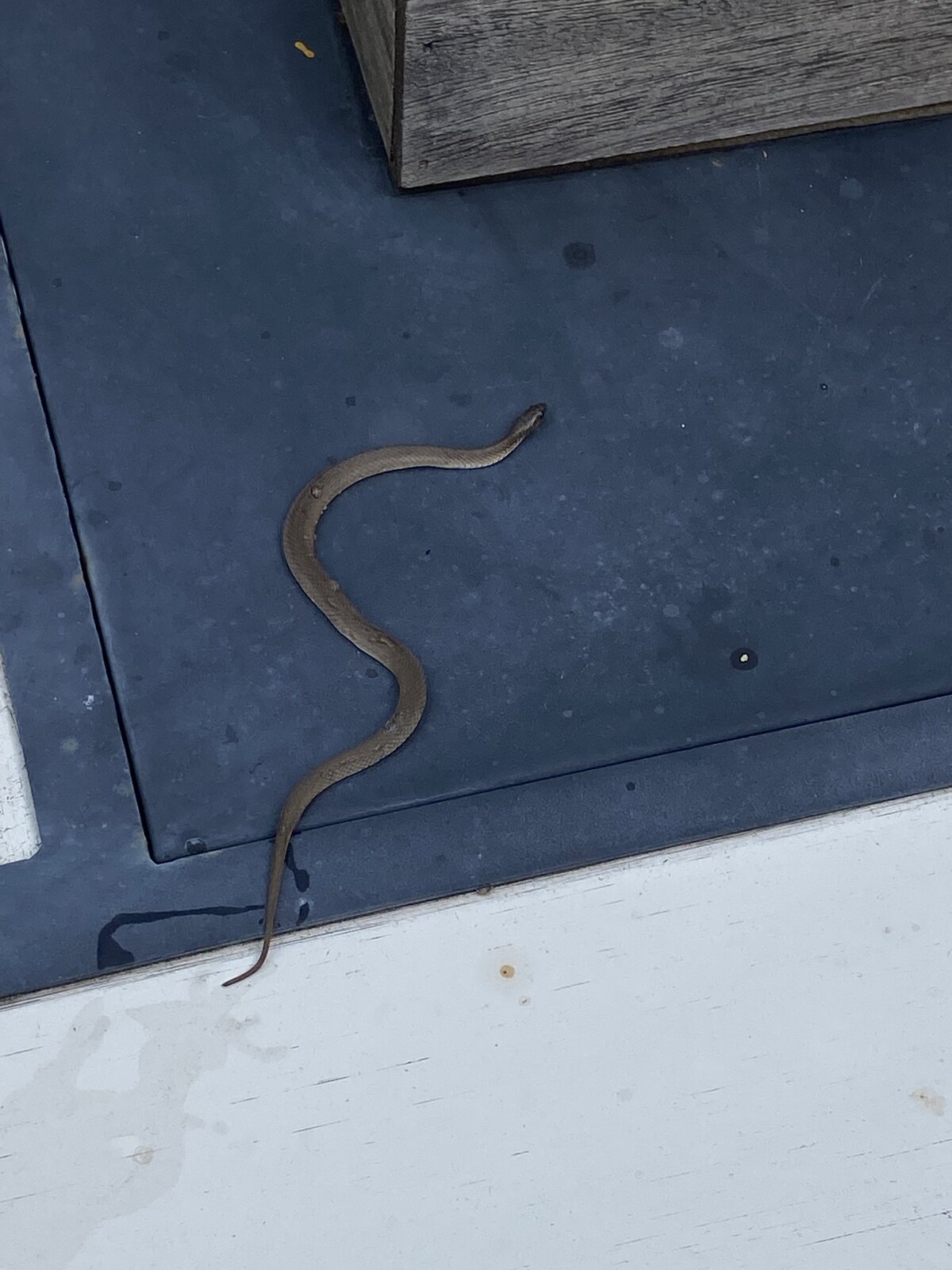
Snake Found in Garage
A snake found in a garage during a wildlife exclusion visit. We identify entry points and seal them to prevent snakes and other wildlife from getting inside.
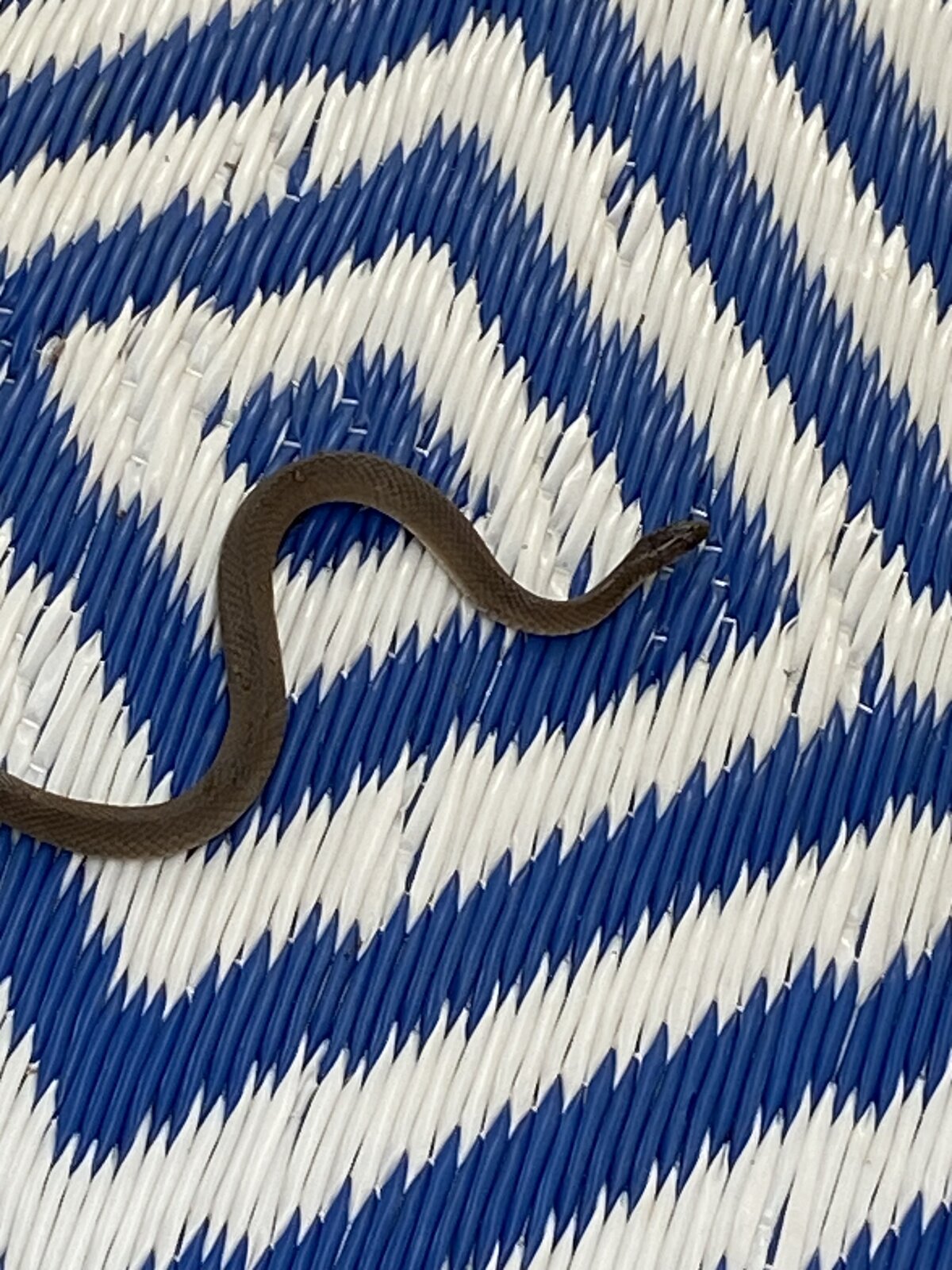
Snake on Patio
A snake found on a patio rug — a reminder that gaps around doors and patios can let wildlife wander in.
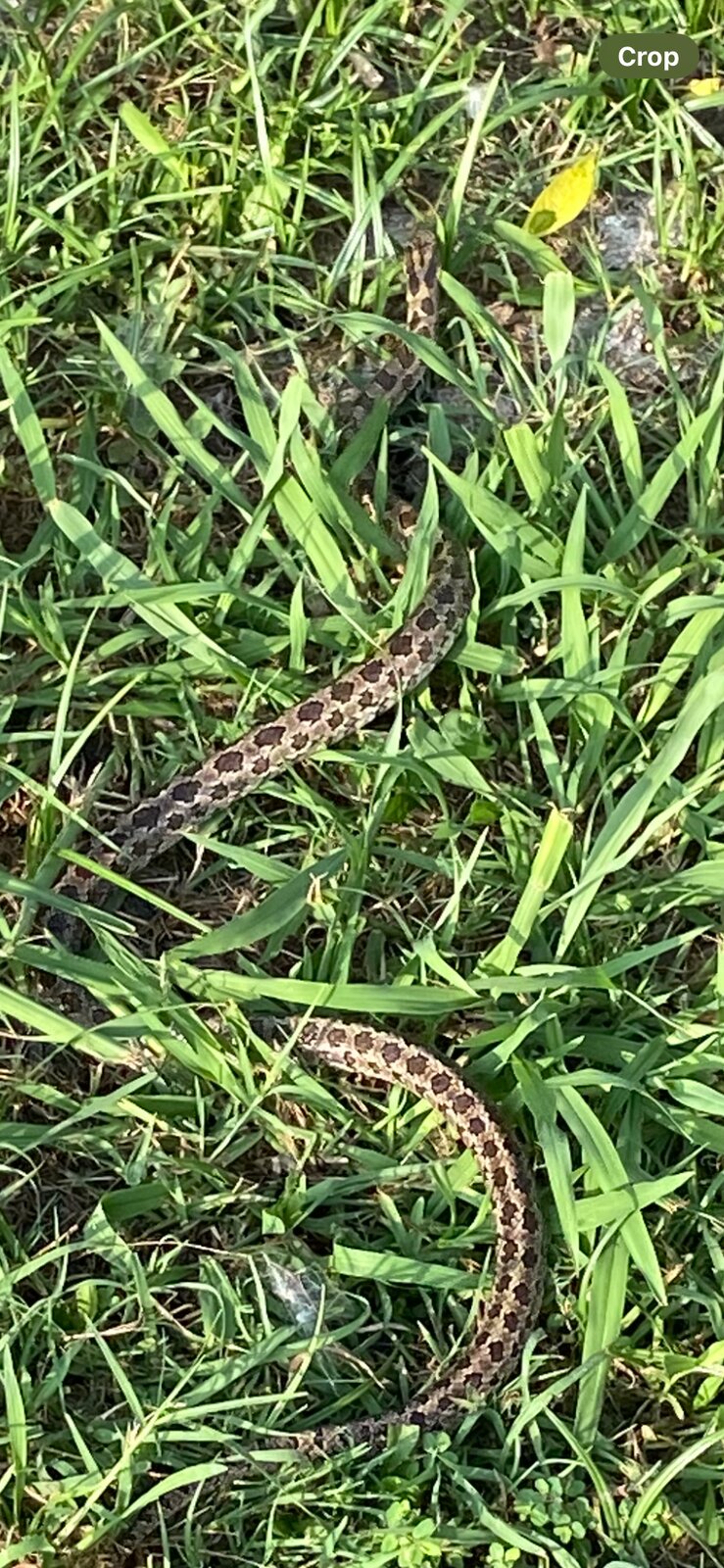
Snake in Yard Grass
A snake moving through yard grass, spotted during an exterior inspection.
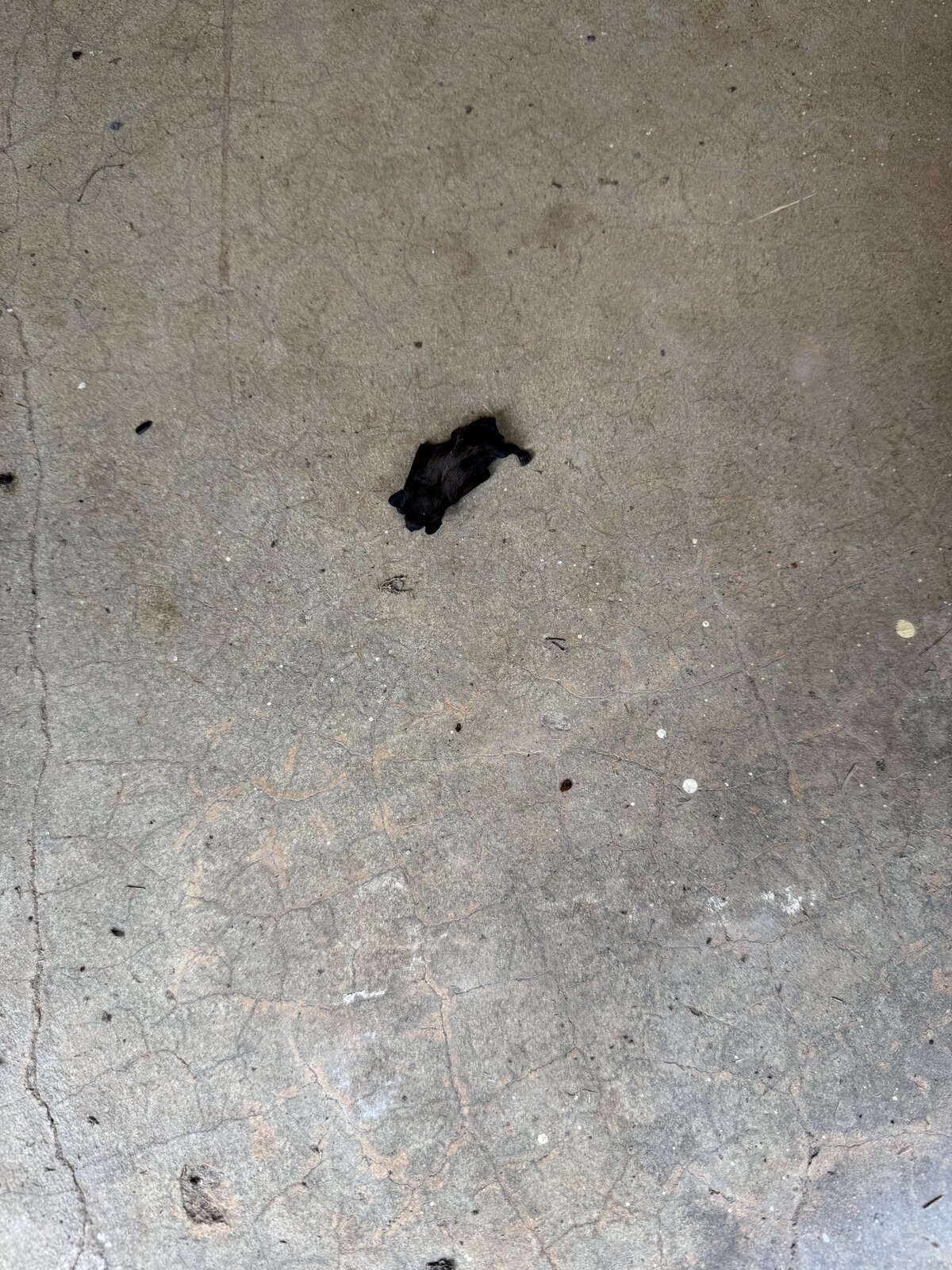
Bat Removal — Exclusion Job
A bat found during an exclusion job. We provide humane wildlife removal and seal entry points to keep bats and other wildlife out for good.
Recognize Something in Your Home?
Don't wait — contact us today for a free inspection. Same-day service is often available.